Understanding Insulation: The Key to Comfort and Cost Savings
In Oxford’s vibrant community, homeowners are increasingly aware of the need for energy-efficient homes. Amidst this trend, a critical component often comes to the forefront: spray insulation cost. Not merely a passing concern, this aspect of home improvement presents both immediate and lasting impacts. As we delve into the nitty-gritty of insulation costs, it’s imperative to recognize the potential for long-term savings. Oxford’s savvy residents know that investing upfront in quality insulation can lead to significant reductions in energy bills, making it a pertinent topic for today’s discussion.
As we brace for the summer heat, how we choose to insulate our homes plays a pivotal role in our daily comfort. The right insulation doesn’t just save money; it creates a barrier against extreme temperatures, ensuring a constant, comfortable living environment. The ongoing conversation around insulation savings calculators and other tools has made it easier for homeowners to visualize potential savings. But it’s crucial to understand that these calculators are just the starting point in a larger, more complex decision-making process. They set the stage for exploring the diverse benefits that a tailored insulation solution can offer.
Yet, many homeowners are apprehensive about the initial investment, often finding themselves muddled in misconceptions about insulation costs. This concern is understandable, especially when considering long-term financial planning and property value. To address these concerns, it’s essential to discuss the myriad of advantages that come with proper insulation beyond just a monetary perspective. Such an investment not only contributes to the overall energy efficiency and climate resilience of a property but also has a substantial impact on day-to-day comfort and well-being. We aim to debunk myths and provide insights into the true value of insulation, not just as a cost but as a vital enhancement to your home.
Delving Deeper: Benefits and Standards for Insulation
Selecting the appropriate insulation is a decision that transcends mere cost considerations. It is about understanding the unique properties of materials like expanded polystyrene, known for its remarkable suitability in both insulated and uninsulated roofing systems. By choosing the right insulation material, one can effectively control internal temperatures and energy expenditures. Specific industry standards, such as CAN/ULC-S704 for polyisocyanurate insulation, play a fundamental role in ensuring material safety and efficiency. It’s essential to work with trusted experts who can navigate these standards and install materials that offer the best performance and cost benefits.
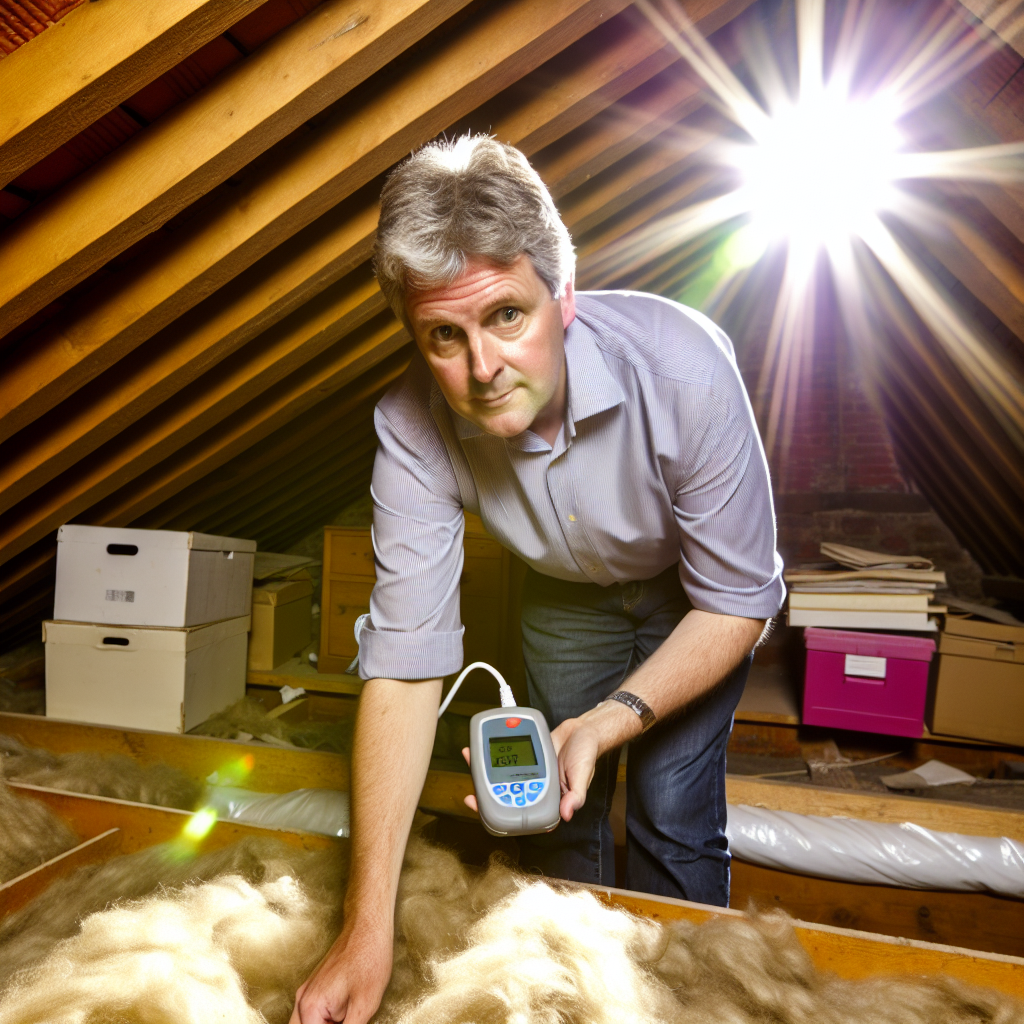
Another critical element to consider is the type of insulation and how it interacts with your home’s existing structure and climate. For instance, insulation with a higher R-value, indicative of greater thermal resistance, can be particularly beneficial in areas subject to extreme seasonal temperatures. This can lead to long-term savings and an enhanced living environment as the material better retains cool air in the summer and warmth in the winter. Engaging a reputable service for installation is crucial, as they can ensure your home is equipped with the most energy-efficient, cost-effective option.
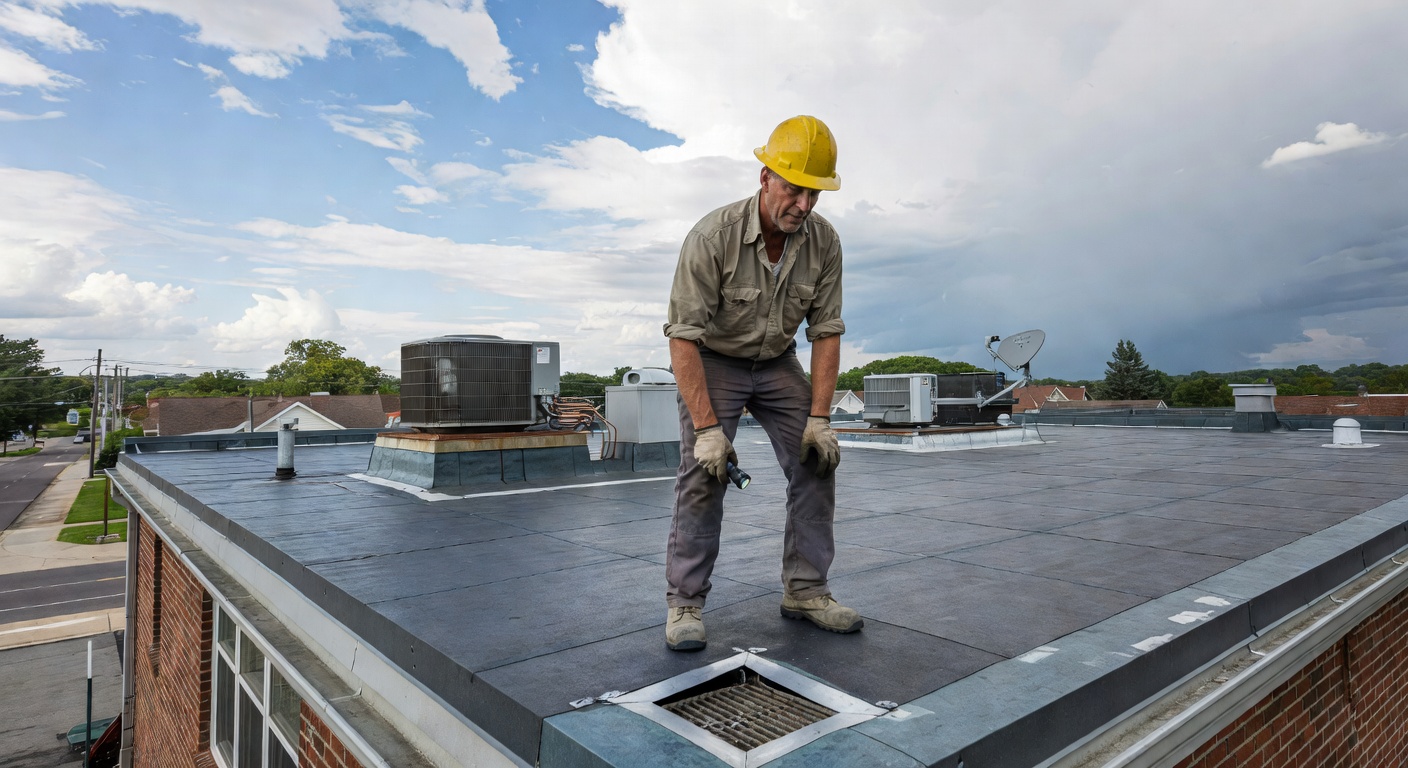
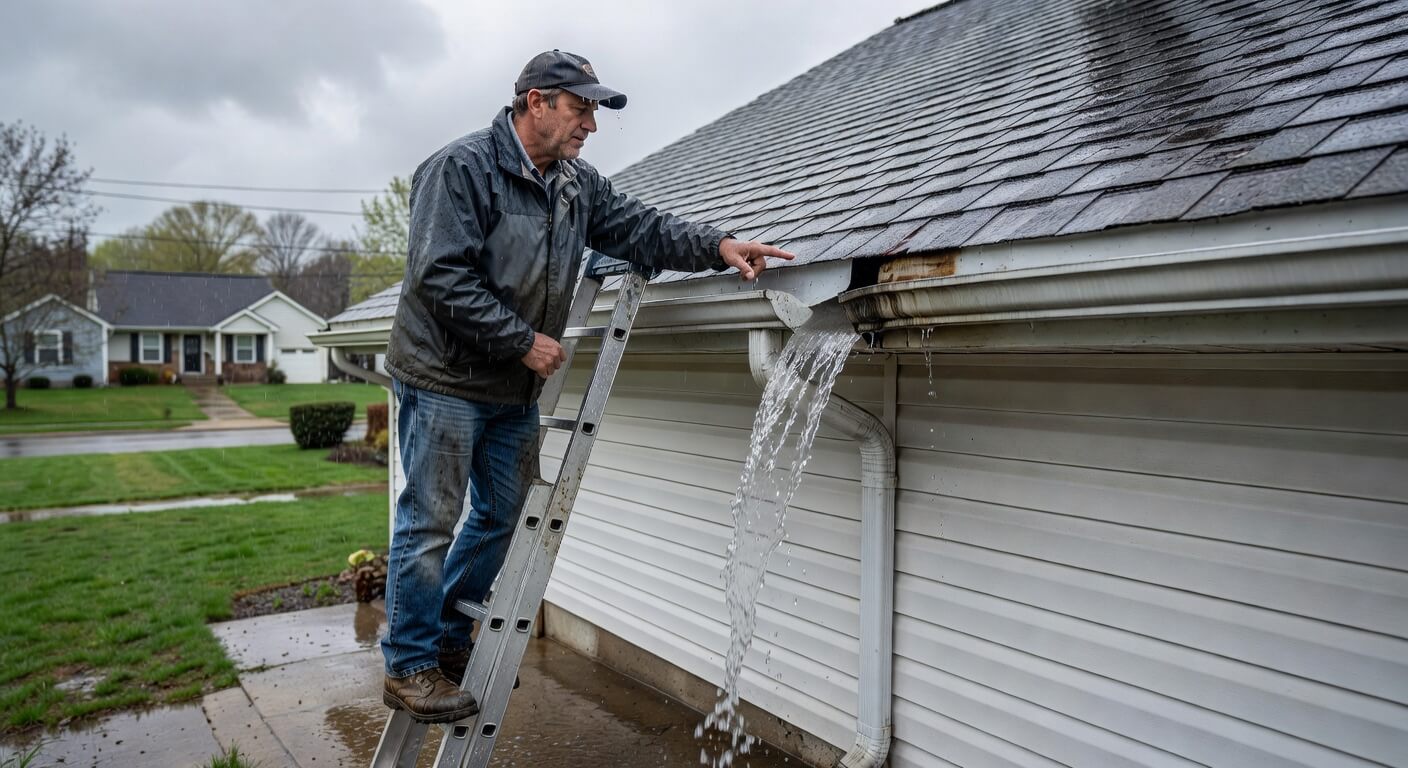
In addition to choosing top-notch materials, complying with building codes and regulations is necessary for a successful insulation project. A minimum slope requirement for roof construction, for example, aids in adequate drainage and prevents potential moisture-related issues that could compromise insulation integrity. Knowledgeable professionals are invaluable in this regard, ensuring that every detail, from the material specifications to the installation nuances, is aligned with these regulations. This attention to compliance not only safeguards investment but also prevents costly oversights that could arise from an inadequate understanding of essential construction practices.
Concluding Thoughts: Making Informed Insulation Choices
As we wrap up our discussion, let’s re-emphasize the long-term benefits of selecting the right insulation for your Oxford home. It’s clear that while the immediate concern might be the spray insulation cost, the real value is found in the comfort, energy savings, and increased property worth that quality insulation brings. The decision isn’t just about today’s expense; it’s a strategic investment that pays dividends for decades. It’s vital to approach this with a future-focused mindset, considering how choices made now can positively affect your living environment and financial health in the long run.
Understanding how different insulation types, like foam or fiberglass, can cater to specific home designs and climates is foundational knowledge for any homeowner in the decision-making process. These considerations are paramount when optimizing for both cost and performance. It’s also vital for homeowners to recognize the potential tax incentives and grants which may be available for making energy-efficient upgrades, thereby potentially offsetting the initial outlay. With the right expert guidance, available from providers such as Robison Roofing Services, Inc., homeowners can navigate these opportunities to their advantage.
Finally, remember that expertise, quality of installation, and adherence to standards are non-negotiable elements of successful insulation projects. By ensuring that your chosen roofing service meets these criteria, trust and confidence in the investment solidify. Residents of Oxford can rest assured knowing that assistance is simply a click away; professional teams are equipped to handle all insulation challenges, ensuring that your home remains a sanctuary against the elements. Investing in insulation is not just a cost—it is a choice for a more sustainable, comfortable, and cost-effective home.
Insights From The Experts
Tip 1:
Consider the long-term cost savings of spray insulation over cheaper alternatives. While the upfront cost may be higher, energy-efficient insulation can significantly reduce heating and cooling bills, making it a smart investment.
Tip 2:
Always check local building codes and manufacturer recommendations when planning insulation. Doing so ensures your installation aligns with safety standards and maximizes the insulation’s effectiveness.
Tip 3:
When selecting insulation, consider the R-value which measures thermal resistance. Higher R-value insulation offers better thermal efficiency, which could be crucial in areas with extreme weather conditions.
Tip 4:
Choose a qualified and experienced professional for insulation installation. Proper installation is key to maximizing insulation’s benefits, including cost savings, comfort, and energy efficiency.
Tip 5:
Investigate potential grants or tax credits available for energy-efficient home improvements. Many regions offer incentives for spray insulation that can reduce your overall costs.
Expert Answers to Your Insulation Queries
How does the type of insulation affect energy savings and costs?
The insulation type directly correlates with its R-value; higher R-values mean better thermal resistance, which leads to greater energy savings and cost-efficiency over time.
What are the installation considerations for different insulation types?
Installation considerations include ensuring the right thickness and material compatibility with your home structure, alongside proper adherence to building codes and manufacturer’s guidelines.
Are there environmental or seasonal factors that influence the effectiveness of insulation?
Yes, insulation effectiveness can fluctuate with changes in temperature and humidity levels, making it essential to choose materials suited to Oxford’s specific climate patterns.
Can insulation impact property values or long-term maintenance needs?
Absolutely, quality insulation can enhance property value by boosting energy efficiency and moreover reduce long-term maintenance by protecting against moisture and temperature extremes.
What are the regulatory or warranty aspects to consider with roof insulation?
It’s important to select insulation that meets industry standards and comes with a warranty, ensuring compliance with safety regulations and providing protection against material defects.