• Summer in Doylestown can put extra stress on commercial roofs, so checking for weak spots before storms arrive is a smart way to avoid costly damage.
• A good maintenance plan includes inspecting seams, flashing, drains, and ponding water, then fixing small problems before they turn into bigger repairs.
• Knowing the most common DIY mistakes helps business owners protect their roof, reduce risk, and feel confident heading into storm season.
Why Summer Is the Time to Act
When summer arrives in Doylestown, roof problems can turn serious fast. Heat, heavy rain, and sudden storms can expose weak spots that were easy to miss earlier in the year. That is why commercial roof maintenance before storm season matters so much for local businesses.
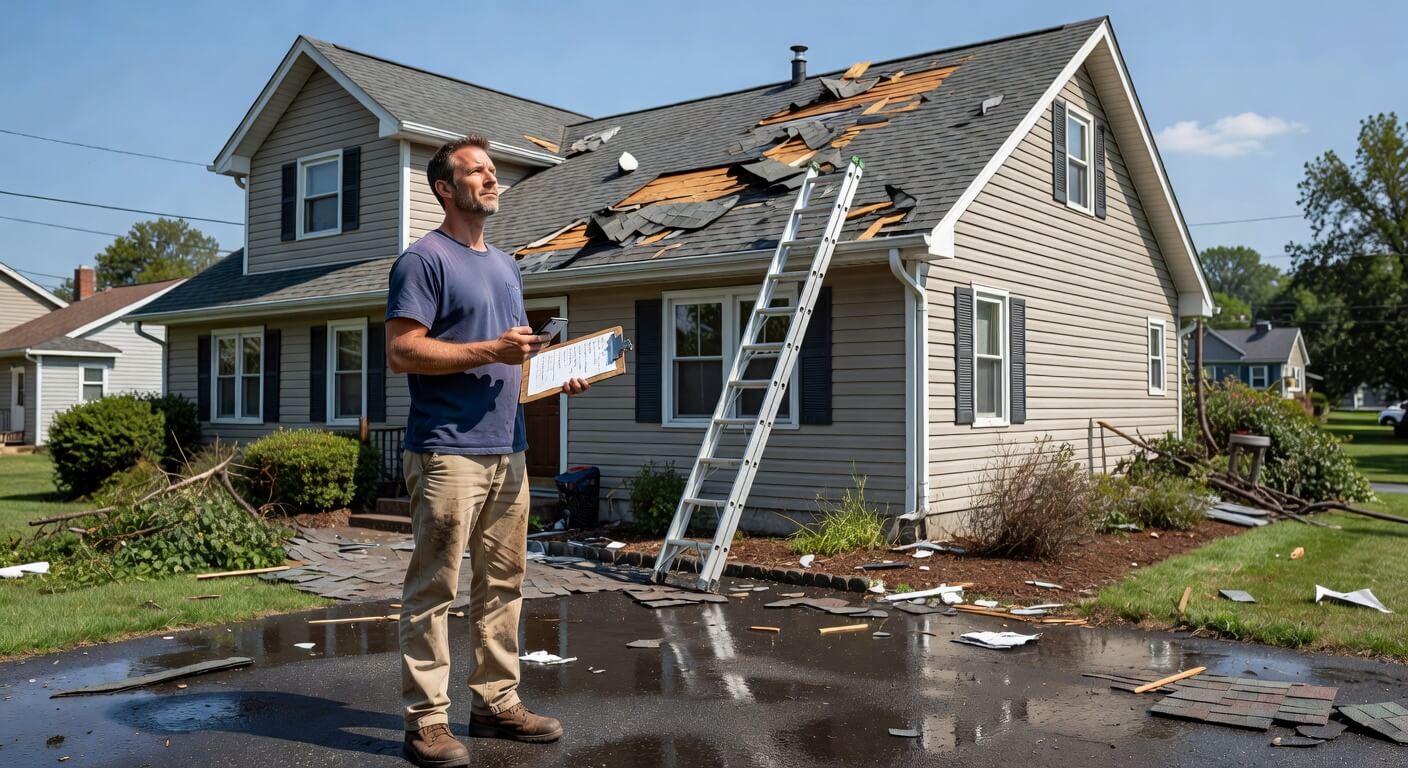
A small crack, loose seam, or clogged drain can lead to bigger damage once storms move in. If water gets under the roofing system, repairs can become more costly and may disrupt daily business. We help property owners stay ahead of that risk with trusted care, including services like commercial roof replacements when a roof has reached the point where repairs are no longer enough.
The best time to act is before the weather changes, not after. A prepared roof gives your building a better chance to handle strong winds, heavy rain, and high heat. That kind of planning can help protect both your property and your bottom line.
How We Help Protect Your Roof
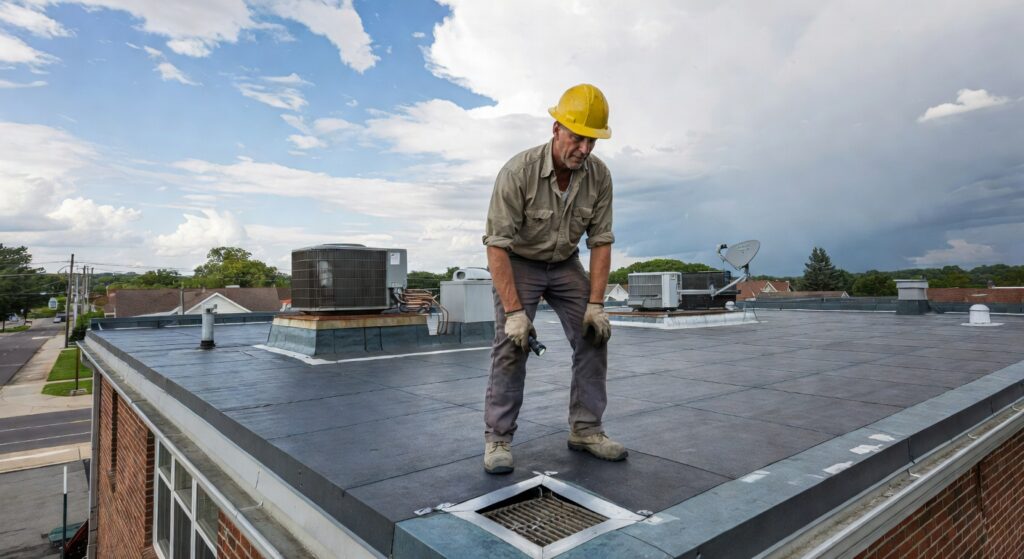
We start by checking the roof surface, seams, edges, flashing, and drainage areas for signs of wear. These are the spots most likely to fail first when storms hit, especially on flat or low-slope commercial roofs. A careful review now can help prevent water from getting into the building later.
Next, we look for early warning signs like ponding water, cracked sealant, loose materials, and debris buildup. If we find damage, we address it before the roof faces stronger weather. For property owners in the area, commercial roof maintenance before storm season is one of the smartest ways to reduce surprise repairs and keep the roof performing as it should.
Step-by-Step Guide to Prepare Your Roof
🔍 Step 1: Inspect the Roof Surface
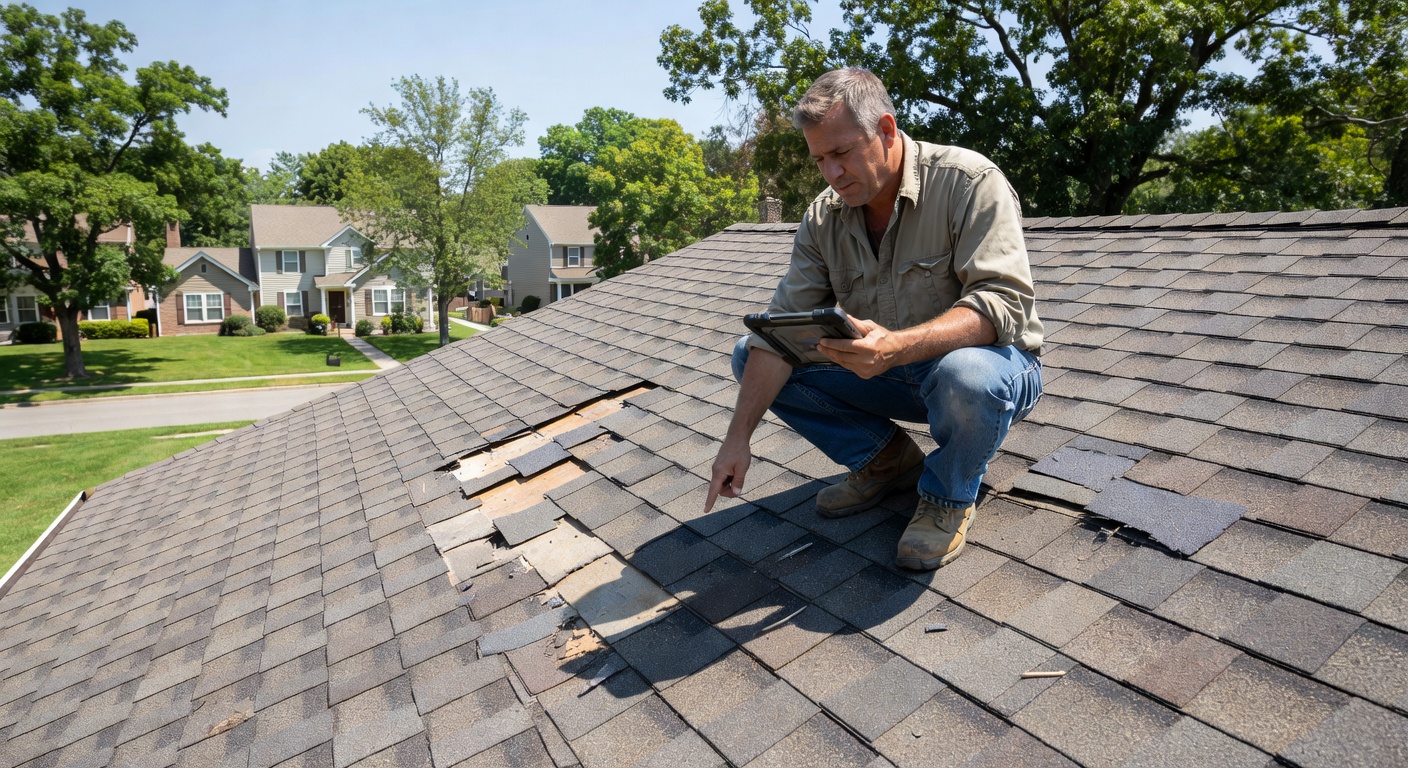
Start by looking for visible signs of wear, including cracks, punctures, loose flashing, and open seams. These issues often grow worse once rain and wind begin pushing on the roof.
🧹 Step 2: Clear Away Debris
Remove leaves, dirt, branches, and any other buildup from the roof and drainage paths. Debris can trap moisture and block water flow, which raises the chance of leaks.
💧 Step 3: Check Drainage Areas
Make sure drains, scuppers, and gutters are open and moving water the way they should. Standing water can stress the roof surface and speed up damage during summer storms.
🛠️ Step 4: Look at Flashing and Seals
Inspect the flashing around edges, vents, and other roof penetrations. If seals are cracked or loose, water can slip into weak points during heavy rain.
📋 Step 5: Review Past Repairs
Check any spots that were repaired earlier and see if they are still holding up. Older repair areas can fail first if they were already under stress from heat or weather.
🌧️ Step 6: Watch for Ponding Water
Look for areas where water sits after rain instead of draining away. Ponding water can shorten roof life and increase the chance of leaks around seams and fasteners.
🔧 Step 7: Fix Minor Issues Quickly
Tackle small damage before storm season gets underway. Minor repairs are often much easier to handle now than after wind or rain makes the problem worse.
🏢 Step 8: Schedule a Professional Check
Have the roof examined by a qualified commercial roofing team for a final review. A trained eye can catch problems that are easy to miss from the ground or during a quick walk-through.
Common DIY Mistakes to Avoid
Trying to handle roof prep alone can seem simple, but small errors often lead to bigger problems. Many business owners skip steps because they are focused on time, cost, or convenience. The trouble is that missed damage or blocked drainage can turn a manageable issue into a serious storm-season repair.
The mistakes below are some of the most common ones we see when property owners try to do the work themselves. Each one can weaken the roof’s ability to handle summer weather in Doylestown. Knowing what to avoid can save time, money, and stress later.
- ⚠️ Mistake 1: Skipping the Full Inspection
This happens when someone only looks at the most obvious parts of the roof and misses small trouble spots. It usually occurs because the damage is not easy to see from the ground. To prevent it, check seams, edges, flashing, drains, and older repair areas with care. - ❌ Mistake 2: Leaving Debris on the Roof
Leaves, sticks, and dirt can block water flow and trap moisture against the roofing surface. People often overlook this because debris does not always look harmful at first. Clear it off before storms arrive so water can drain properly. - 🚫 Mistake 3: Ignoring Ponding Water
Standing water is a warning sign that drainage is not working the way it should. This mistake often happens when people assume the water will evaporate on its own and cause no damage. The safer move is to find out why the water is sitting there and correct the cause. - ⚠️ Mistake 4: Delaying Small Repairs
A tiny crack or loose seam can become a much larger problem once heavy rain and wind arrive. Property owners often delay repairs because the roof still seems usable. Fix minor issues right away so they do not spread during storm season. - ❌ Mistake 5: Forgetting the Final Professional Review
Some problems are easy to miss without the right training and experience. This happens when people rely only on a quick visual check and assume the roof is ready. A professional review helps confirm that the roof is prepared for the weather ahead.
Frequently Asked Questions
Why is commercial roof maintenance before storm season important?
Yes, it is important because storms can turn small roof issues into major damage very quickly. A roof that is checked and maintained before storm season is better prepared to handle heavy rain, wind, and standing water. This helps protect the building and lowers the chance of emergency repairs.
What should we look for during a commercial roof inspection?
Yes, you should look for cracks, loose flashing, damaged seams, ponding water, and blocked drainage areas. These are common trouble spots that often get worse during summer weather. Catching them early gives you time to fix the problem before storms arrive.
How often should a commercial roof be checked before storm season?
Yes, it should be checked at least once before storm season begins, and more often if the roof is older or has had past problems. Regular checks help spot changes before they become expensive repairs. For many buildings, a seasonal review is a smart habit.
Can small roof problems really lead to big damage?
Yes, small roof problems can lead to serious damage if they are left alone. A loose seam, cracked seal, or clogged drain may seem minor at first, but storm conditions can make those weak spots fail fast. That is why timely maintenance matters so much.
What is the best way to prepare a commercial roof for summer storms?
Yes, the best way is to inspect the roof, clear debris, check drainage, review flashing and seals, and fix any small issues quickly. This is the core of commercial roof maintenance before storm season and helps the roof stay ready for heavy weather. A final professional check adds another layer of protection.
Stay Ready Before the Weather Turns
Summer storms can move in fast, and a roof that is not prepared may not handle them well. By taking care of inspections, cleaning, drainage checks, and small repairs now, we can help protect your building before problems start. That is the value of planning ahead and treating roof care as a priority, not an afterthought.
For businesses in Doylestown, the safest move is to act before the first heavy storm arrives. We are here to help you keep your roof ready for the season and your property better protected. If you want to stay connected with Robison Roofing Services, Inc., follow us on social media.