The Importance of Assessing Your Water
Have you ever considered what’s really in the water you drink every day? The truth is, from the moment it streams out of your tap, water carries with it the possibility of containing harmful contaminants that could affect your family’s health. The clarity of water can be deceiving, often holding invisible risks that regular filtration systems may overlook. That’s where the value of a reverse osmosis system comes into play, an investment in your home that promises a purer form of hydration. Understanding the cost associated with such a system is not just about spending money, but about investing in the wellbeing of everyone in your household.
Understanding Reverse Osmosis Systems
A reverse osmosis system acts like a vigilant guardian for your water supply. It’s a powerful ally against a range of contaminants, efficiently stripping away unwanted substances to deliver nothing but clean, refreshing water. Imagine up to 99% of pollutants removed, ensuring each glass you drink is as pure as it can possibly be. The summer months increase our reliance on staying hydrated, making it all the more crucial to have access to high-quality water. Recognizing the potential upfront cost is essential, but so is considering the incredible benefits this system provides.
Factor in Your Health and Finances
The initial expense of a reverse osmosis system may seem daunting, but the details reveal a different story. When considering costs, it’s not just the price of the system itself but also the long-term financial savings that should be taken into account. Moreover, the investment in a system that might extend to over a decade’s use offers peace of mind. Assessing the cost against the backdrop of your family’s health and safety reframes the conversation from cost to necessity. By safeguarding against impurities, you’re safekeeping the vitality of your loved ones.
Exploring the Investment of Reverse Osmosis
The price range for residential reverse osmosis systems is as broad as the selection available, from budget-friendly models around $150 to high-end systems upwards of $1,500. Your choice largely depends on how many stages of filtration you seek and the daily water usage of your household. It’s important to note that while the sticker price may be your initial focus, the value of an RO system unfolds over time. Beyond the simple cost of purchase, consider the reduction of bottled water expenses and the increased longevity of your plumbing due to less sediment build-up. A diligent comparison of features versus needs will steer you toward the wisest financial commitment.
The Long-Term Benefits of Clean Water
Investing in a reverse osmosis system extends benefits far beyond the taste of your water. By removing contaminants effectively, an RO system enhances your overall health – reducing risks associated with chemicals and heavy metals. Families with an RO system can feel confident in the purity of their water, freeing them from worries about the water quality alerts that sometimes shake municipal confidence. Perhaps most striking is the minimal maintenance that RO systems require, often just an annual filter change, saving you time and money. A little upfront research on maintenance details can lead to significant benefits throughout the system’s lifespan.
Navigating the Installation Process
Deciding how to install your new reverse osmosis system brings with it a handful of considerations. While professional installation ensures a hassle-free start, there is room for the handy homeowners to take on DIY projects cautiously. User manuals and online tutorials provide guidance, but familiarizing yourself with your local codes and required tools is paramount. Yet, a properly installed system translates into optimal performance and durability, increasing the value of your initial investment. In short, whether working with an installer or taking the DIY route, proper installation determines performance success and safeguards against potential future costs.
Maximizing Your RO System’s Lifespan
The durability and efficiency of reverse osmosis systems mean they can serve your household’s water needs for up to 15 years. To achieve such longevity, it’s essential to adhere to regular maintenance, prioritizing the timely replacement of filters and checking for any wear and tear on the components. Users can avoid common pitfalls by adhering to the manufacturer’s guidelines and seeking professional advice when needed. The assurance that comes with such a lasting solution to water purity can be an invaluable addition to your home. Recognizing and planning for the long-term care of your RO system ensures its enduring value and effectiveness.
Building Trust Through User Experience
Consumer testimonials and reviews often highlight the tangible benefits enjoyed by those who have already invested in reverse osmosis systems. These real-world experiences showcase the improvement in water taste, the convenience of on-demand purified water, and the reassurance of protective health measures all in one. Gathering insights from others who have taken the RO system journey can affirm its worth and reliability. Engaging with these stories can foster a sense of community and shared values around health and wellbeing, further emphasizing the trustworthiness of an RO system.
Making the Informed Choice
As we reach the end of our exploration into reverse osmosis systems and their costs, it’s time to consider your next steps. Reflecting on the comprehensive information provided and factoring in your personal and household needs will guide you toward an informed decision. Knowing that a system can provide a steady supply of pure water for years to come frames the investment in a positive light. For those ready to take action, remember that the right provider can make all the difference. Consider all your options, ask questions, and when you’re ready for installation or further information, the team at Robison Roofing Services, Inc. is here to help with all your needs.
Insights From The Experts
Tip 1:
When considering a reverse osmosis system, factor in not only the initial cost but also the frequency of filter replacements and the expected lifespan of the system to get a true sense of the investment value.
Tip 2:
Maintain your RO system by routinely checking the filter and membrane status. Early detection of any wear and tear can prevent larger issues and ensure consistent water quality.
Tip 3:
Understand that while upfront costs may seem high, an RO system can contribute to reduced spending on bottled water and less reliance on municipal water, reflecting on your monthly bills.
Tip 4:
For those considering a DIY installation of their RO system, be sure to thoroughly read instructions and understand local plumbing codes to avoid common installation mistakes.
Tip 5:
Consider the space under your kitchen sink before purchasing an RO system since some may require more room for their tanks and filter systems than others. Measure carefully to ensure a good fit.
Your RO System Queries Answered
How does a reverse osmosis system improve water quality?
A reverse osmosis system meticulously filters out a wide array of contaminants, such as salts, bacteria, and particulates, significantly enhancing the purity and taste of your drinking water.
What are the ongoing maintenance requirements for a home RO system?
Routine maintenance for a home RO system primarily involves replacing the pre and post-filters annually and the RO membrane every 2 to 3 years, ensuring optimal performance and water quality.
Can a reverse osmosis system help save money in the long term?
Yes, by providing clean water directly from your tap, an RO system can lower your reliance on bottled water, resulting in substantial savings over time.
How is a reverse osmosis system installed in a residential setting?
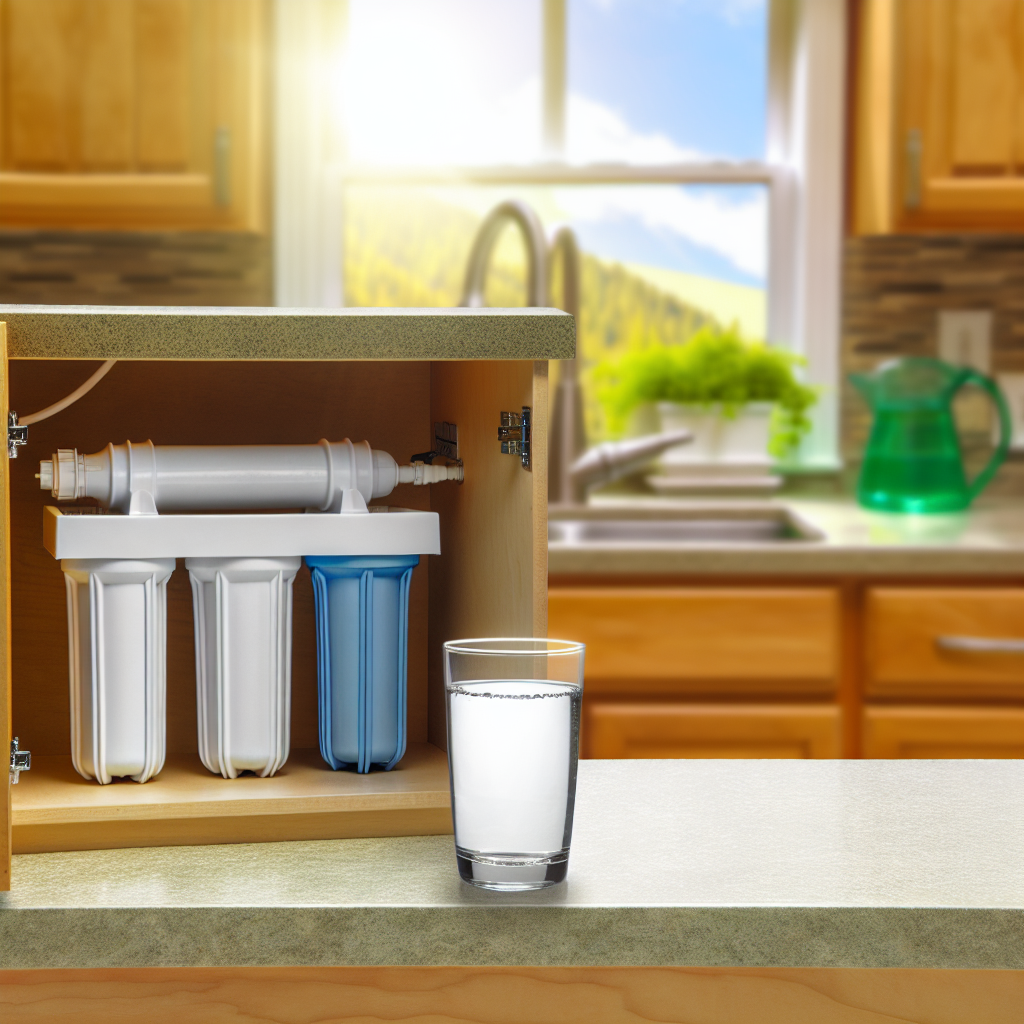
Residential RO systems are typically installed under the kitchen sink, connected to the cold water line with a separate faucet to dispense the purified water.
What factors influence the cost of a reverse osmosis system?
The cost of an RO system is influenced by factors such as the number of filtration stages, system capacity, brand reputation, and any additional features like UV purification or mineral enhancements.