The Immediate Need for Roof Inspection After Storms
When the storm quiets and the last drops of rain have fallen, a new concern emerges for homeowners—the integrity of their roof. It’s a crucial yet often overlooked step to inspect your roof for damage as soon as it’s safe. Such expedience is not about overcaution; it’s a practical move to prevent escalating damage and the potential financial pitfalls that follow. Remember, insurance may cover some storm damages, but detection and documentation are key. Taking action swiftly can mean the difference between a quick fix and a complex repair job.
A stable roof is synonymous with safety—a bulwark protecting your loved ones and your cherished belongings. The aftermath of a storm brings the vulnerability of every tile and shingle into sharp relief. It isn’t merely about fixing what the eye can see; it’s about ensuring peace of mind in the face of nature’s unpredictability. Minor issues can rapidly evolve into serious concerns without prompt attention. That is precisely why, in moments post-storm, prioritizing a roof check isn’t just diligent—it’s essential for the well-being of your home.
With the skies cleared, take the vital next step: schedule a post-storm residential roof check. Addressing this crucial maintenance task not only upholds the structure but also secures the longevity of your home. Reflecting on the question of timing, the best time for a roof inspection is almost always “now,” especially after harsh weather. Procrastination only amplifies risks, while timely inspections set the stage for swift remediation. Take this moment to reinforce your home against the elements—your safety and security deserve no less.
Understanding What Professionals Look For
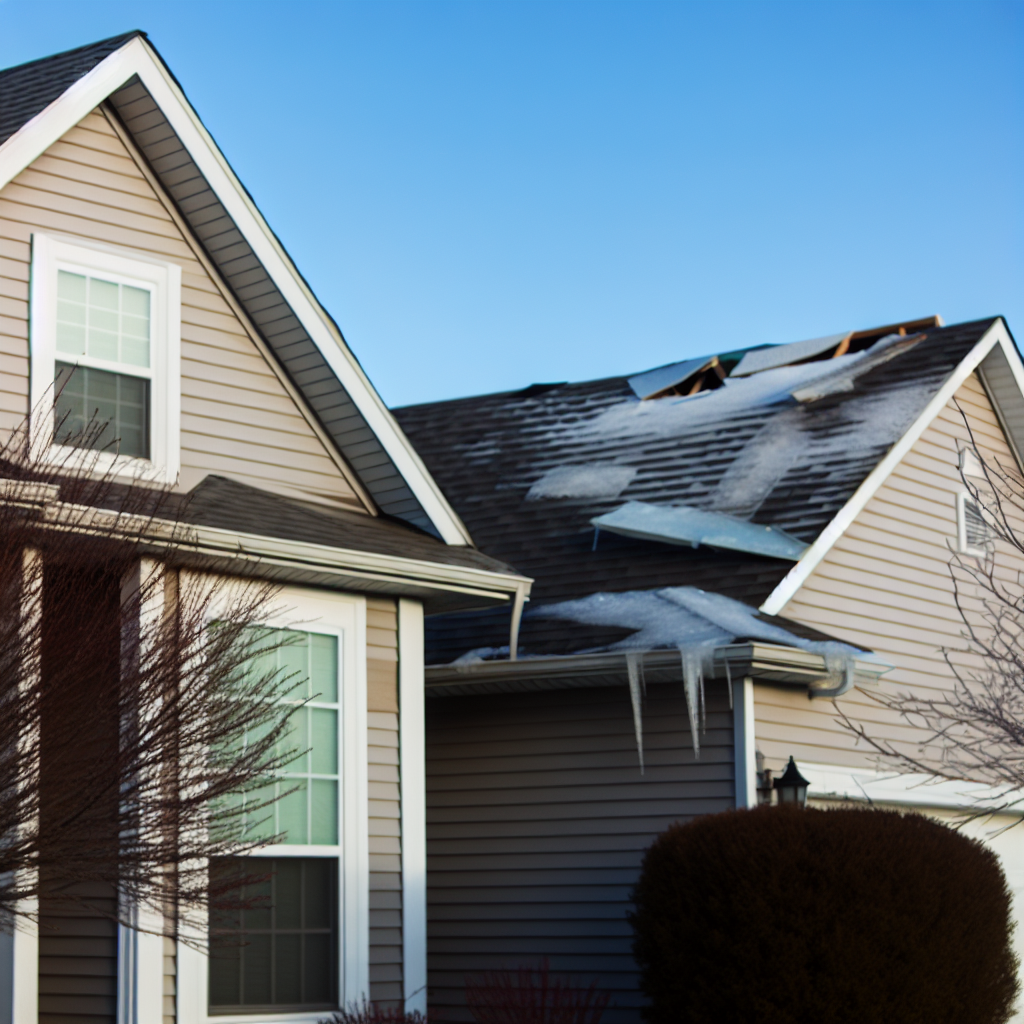
When it’s time for a thorough roof check, understanding the expertise professionals bring to the table can be invaluable. They begin by examining the weight your roof has endured, often going beyond the typical assessment, as even seemingly sturdy structures can suffer under the weight of heavy snowfall, sometimes supporting up to two tons per 100 square feet before showing signs of stress. Skilled inspectors will scrutinize for less obvious clues of damage—like small leaks or shifts in the structure—that may not be immediately noticeable but can lead to significant damage over time. It’s this level of detail and knowledge that ensures every problematic area is identified and addressed. Hiring an expert is not just about having someone to climb onto your roof; it’s about leveraging their ability to foresee and forestall potential issues.
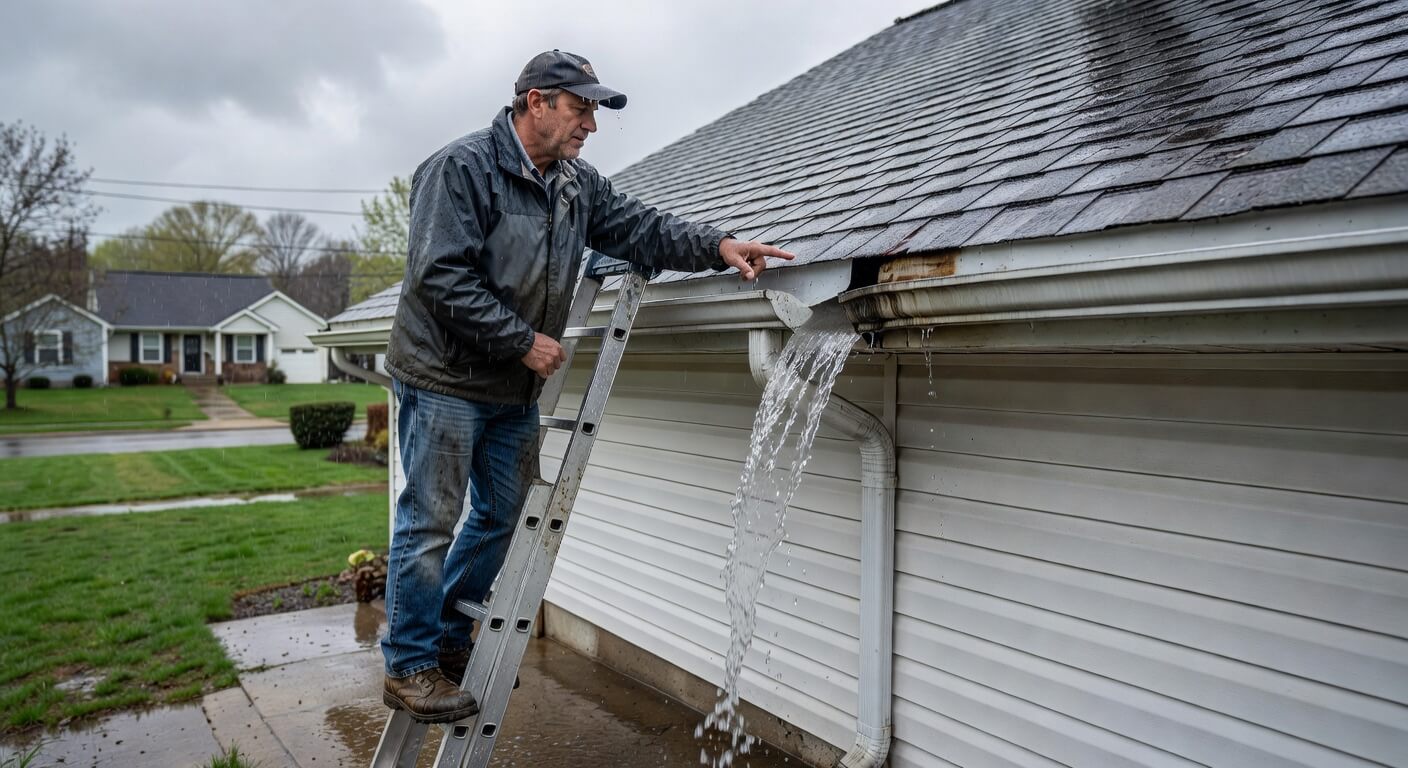
Preventive insight is key in post-storm scenarios. While a quick look might reveal obvious problems like missing shingles or a cluttered gutter, there’s more to roof health than what meets the eye. Subtler signs—such as slight buckling, loss of granules from shingles, or even the slight dislodging of flashing—can easily be missed. These signs often herald larger issues to come and spotting them early is paramount. That’s why enlisting the help of seasoned inspectors can provide a more accurate account of your roof’s condition and save you time and trouble in the long run.
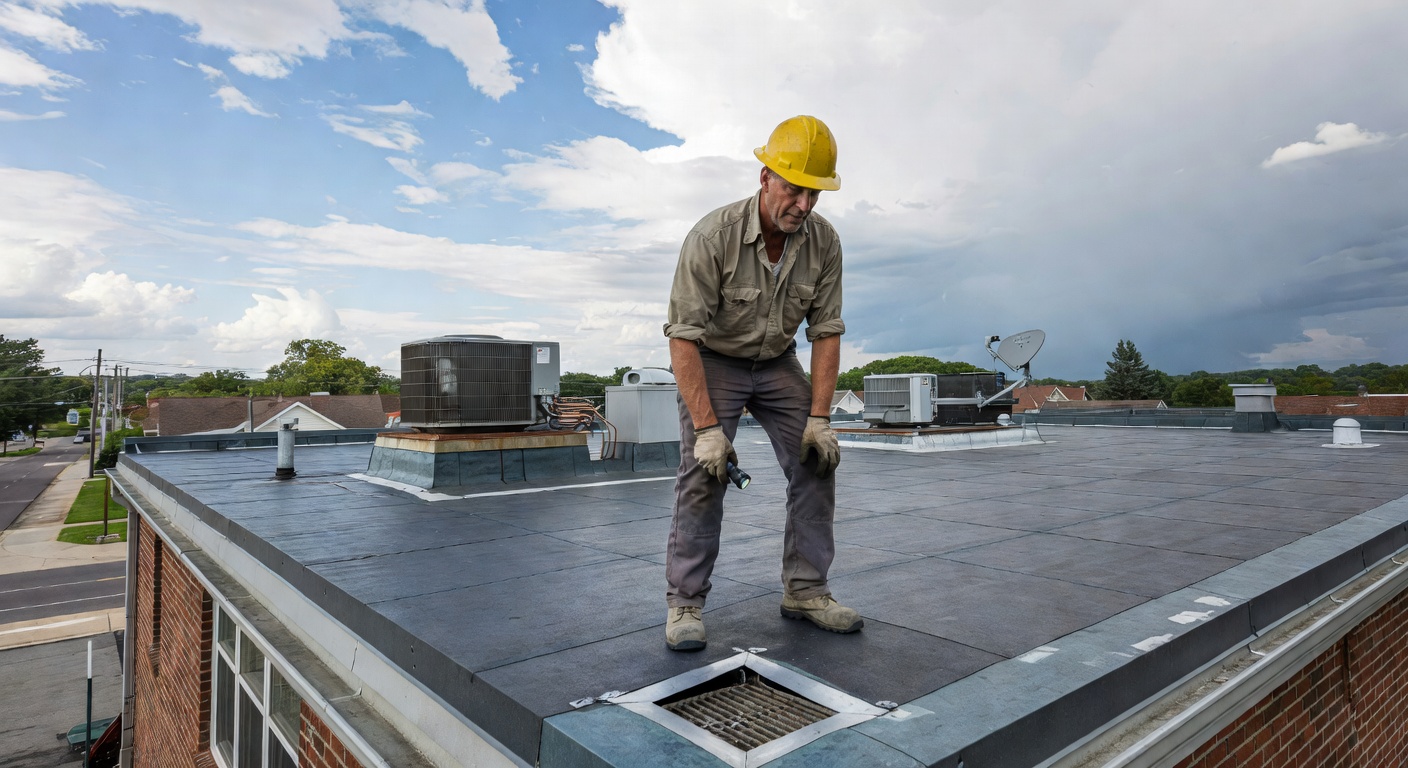
Considering the potential for hidden damage, it may be tempting to opt for a self-inspection. However, the nuances of storm damage require a trained eye to discern. Experienced professionals come prepared with the tools and knowledge necessary to navigate a roof’s complex landscape. They ensure that all aspects, from the integrity of seals and gutters to the underlayment and flashings, are not just intact but functioning optimally. So before you reach for that ladder, consider the value and safety a professional inspection can offer and reach out to our experts for a comprehensive evaluation.
It seems there might have been an oversight, as no anchor text was provided for the external link. I’ll proceed with generating the third section without including an external link. If you provide me with the anchor text later, I can integrate the external link accordingly.
Long-Term Maintenance Secures Your Home
Routine roof checks are an investment in your home’s longevity and your peace of mind. While emergency services are crucial, the true power lies in prevention and early detection of any weaknesses. Even if your roof has escaped obvious damage, hail storms are notorious for their subtle, yet harmful impact on roofing materials, often weakening them and leaving your home vulnerable to future inclement weather. Establishing a maintenance routine with a trustworthy contractor ensures that you’re always one step ahead. The value of these preemptive measures cannot be overstated when it comes to protecting what is often your largest investment – your home.
When considering emergency roof repair, many homeowners feel overwhelmed by the urgency and the complexity of the task. However, the process doesn’t have to be drenched in uncertainty. Professional roofing teams operate with efficiency and precision, quickly assessing the extent of damage and implementing targeted repairs to restore safety and structure. They’ll manage everything from the initial inspection to the final touches, ensuring a seamless and stress-free restoration. Your home is a sanctuary, and with skilled professionals at your service, it can be rapidly fortified against future storms.
In conclusion, your home is too significant an asset to leave to fate, especially in the wake of extreme weather. The decision to act promptly and schedule a professional roof check is a testament to responsible homeownership. It reflects an understanding that prevention is always preferable to repair and strengthens the trust between you and the structure that shelters your daily life. As we draw this discussion to a close, remember that a resilient home is the product of consistent care and expert attention. Always prioritize the well-being of your roof – it’s more than a structure; it’s the protective shell of your cherished home.
Insights From The Experts
Tip 1:
Schedule your roof inspections periodically, not just after severe weather. Regular checks can spot potential issues before they worsen due to a storm.
Tip 2:
Look for signs like missing shingles, leaks in the attic, or gutters filled with granules. These may indicate your roof sustained damage from a recent storm and needs repair.
Tip 3:
Always prioritize safety. If you’re inspecting the roof yourself, use a stable ladder, wear appropriate footwear, and never walk on a wet or damaged roof.
Tip 4:
Consider a professional inspection if there’s been a particularly violent storm. Professionals have the expertise to identify problems that may not be apparent to the untrained eye.
Tip 5:
Keep documented records of your roof’s condition and any repairs. This evidence can be critical if you need to file an insurance claim after storm damage.
Frequently Asked Expert Answers
How soon after a storm should I check my roof for damage?
It’s best to inspect your roof as soon as possible after the storm has passed and it’s safe to do so. Quick inspections can identify and mitigate damage early, avoiding complications down the line.
What are the most common signs of roof damage after a storm?
Common indicators of storm damage include missing or damaged shingles, leaks in your attic, dented vents and flashing, and clogged or damaged gutters.
Can I perform a roof check myself, or should I hire a professional?
While you can perform a basic check for obvious signs of damage, hiring a professional ensures a thorough inspection and accurate identification of less visible issues.
How does emergency roof repair work if I find storm damage?
Emergency roof repair involves a prompt assessment by professionals, who then temporarily cover breaches to prevent further damage until permanent repairs can be made.
What steps can I take to protect my roof before a potential storm?
Keep your roof well-maintained year-round, trim nearby trees, secure loose shingles and clear the gutters to minimize the risk of storm damage to your roof.