• Discover easy-to-follow steps for assessing and repairing roof damage after a storm
• Learn how to document damage accurately for insurance claims and avoid common DIY repair mistakes
• Find expert advice on securing professional roofing services and preventative measures to protect your roof in the future
Detecting the Telltale Signs of Roof Trouble
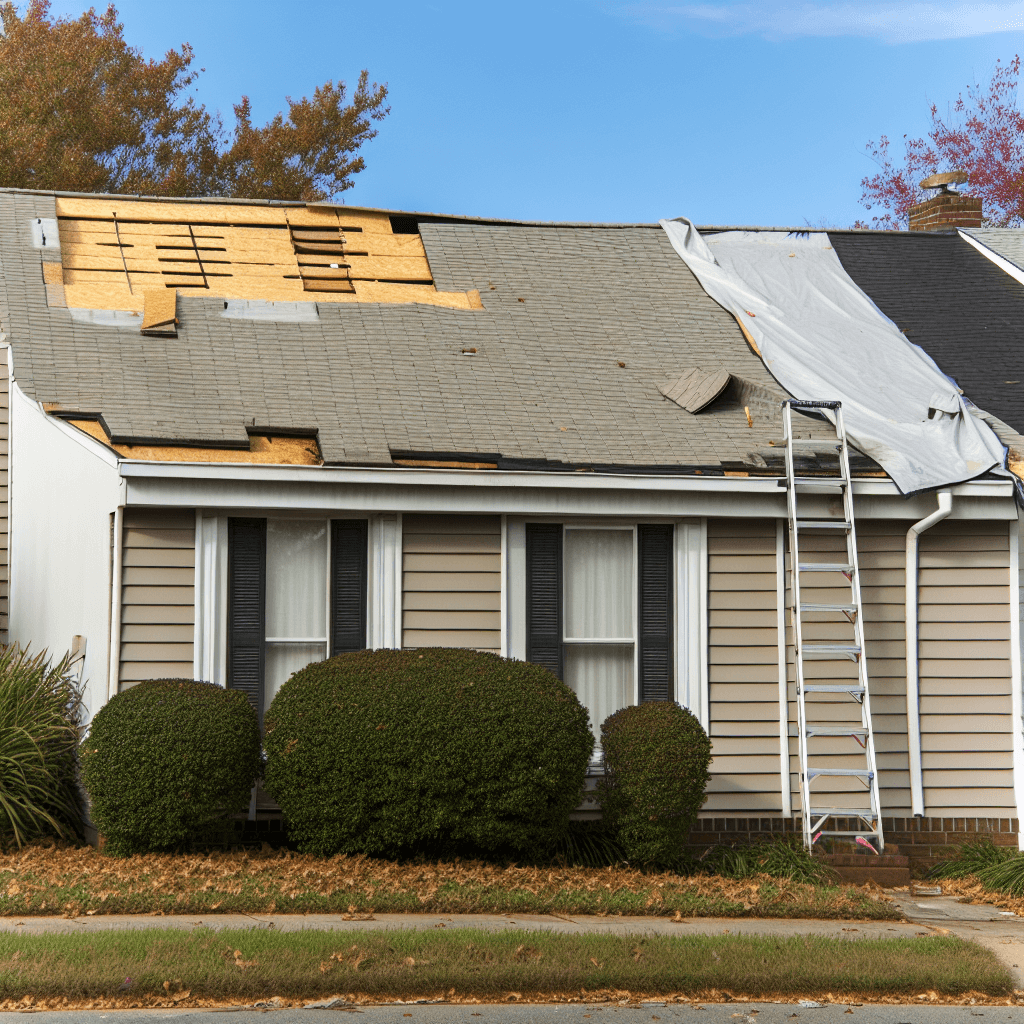
When the storm settles and the skies clear, it’s crucial to assess your roof for any damage that may have occurred. Visible problems like missing shingles or a partial collapse are apparent distress signals that demand immediate attention. It’s the subtle signs, however, such as small leaks or minor cracks, that often go unnoticed and can lead to significant issues if ignored. Early detection of these can save you from costly repair bills down the road.
Documenting Damage: The First Line of Defense
Before attempting any repairs, it’s imperative to document the damage thoroughly. Photos taken from multiple vantage points provide a clear account of the damage and are essential for insurance claims. While documenting, make sure to note the date and extent of the damage in detail, as this will be critical when working with insurance adjustors and roofing professionals. Remember that while some signs of damage are immediate, others may appear gradually, so keep a vigilant eye out in the days following the storm.
Interior Signs That Shouldn’t Be Overlooked
Equally important is the interior inspection, as damage often manifests inside your home. Water stains on ceilings or walls suggest that the storm has compromised your roof’s integrity. Placing containers under drips can mitigate water damage and give you a sense of the leak’s severity. Ignoring these interior signs can lead to more severe internal damage, mold growth, or structural issues in your home, so addressing them promptly is paramount.
Connecting with Professional Roof Repair Services
Once you’ve identified and documented the impact of the storm on your roof, the next move is to seek professional assistance. It’s essential to partner with a reliable company that specializes in post-storm damage roof repair to ensure thorough and sustainable repairs. Wilmington residents can certainly benefit from the expertise of Robison Roofing Services, Inc., a trusted local provider with extensive experience in storm damage restitution. Their seasoned professionals can offer the most effective solutions, preventing further damage and restoring the safety and integrity of your home.
Initiating the Repair Process: What to Expect
After contacting Robison Roofing Services, Inc., a skilled contractor will conduct a comprehensive assessment and take essential steps towards repairing your roof. This evaluation will prioritize the immediate safety of your home and discuss the suitability of various repair options. To get started on the path to recovery, an expert inspection is crucial to address all areas affected by the storm. Scheduling a repair service promptly is pivotal to protect your home from potential future storms and the issues they may bring.
Step 1: Assess the Damage
Begin by visually assessing your roof for obvious signs of damage. Look for missing, cracked, or curved shingles. If safe to do so, use a ladder to get a closer view, or use binoculars from the ground.
Step 2: Document the Damage
Take photographs of the damage from multiple angles. These will be vital for insurance claims. Note down the extent and type of damage in a journal or digital document.
Step 3: Check for Interior Leaks
Inspect your home’s interior for water stains on ceilings or walls, which could indicate a compromised roof. Place containers under active leaks to capture water and reduce interior damage.
Step 4: Contact Your Insurance Company
Reach out to your insurance company to report the damage. Provide them with the evidence you’ve gathered and any notes related to the storm and resultant damage.
Step 5: Secure Emergency Roofing Services
If there’s significant damage, contact a professional roofing service in Wilmington that specializes in post-storm damage. Emphasize the need for a prompt inspection and repair, if necessary.
Step 6: Perform Temporary Fixes
For minor repairs, apply roofing cement or use a tarp to cover damaged areas temporarily. This can protect against further damage until a repair team arrives.
Step 7: Schedule a Professional Inspection
Arrange for a professional post-storm damage roof inspection. They can give you a more detailed assessment and suggest appropriate repairs for long-term solutions.
Step 8: Prevention for the Future
Lastly, enquire about measures to strengthen your roof against future storms, such as installing storm straps, using impact-resistant shingles, or improving roof decking attachment.
Avoiding Common DIY Roof Repair Blunders
Diving into DIY roof repairs can seem like a proactive approach to post-storm recovery, but it’s fraught with pitfalls that can exacerbate your roof’s condition. Many well-intentioned homeowners inadvertently make mistakes that result in further damage or compromise their safety. Being aware of these common missteps and understanding how to avoid them can be just as crucial as the repair process itself.
Mistake 1: Ignoring Safety Protocols
Many individuals underestimate the dangers of roof work, neglecting vital safety gear like harnesses, helmets, and non-slip footwear. This can lead to serious falls and injuries, especially in post-storm scenarios where the roof may be slippery or structurally weakened.
Mistake 2: Using Inappropriate Materials
Homeowners may attempt temporary fixes with materials that aren’t suitable for roofing, such as duct tape or non-waterproof tarps. These materials can fail to protect against water ingress and may lead to more severe water damage or mold growth.
Mistake 3: Overlooking Structural Damage
Focusing solely on visible surface damage while missing underlying structural issues is a common oversight. This can cause long-term harm to the roof’s integrity since hidden damage can continue to compromise the structure even after surface repairs are done.
Mistake 4: Improper Documentation
Failing to thoroughly document the damage before beginning repairs can jeopardize insurance claims. Accurate, detailed photos and notes are crucial for claims and for professionals to understand the full scope of the damage and the repairs needed.
Mistake 5: Delaying Professional Assessment
Some may put off scheduling a professional inspection, thinking minor DIY fixes are sufficient. However, timely expert evaluations are key to uncovering all storm-related damage and ensuring the right repairs are made for your roof’s longevity.
Temporary Measures to Mitigate Roof Damage
Before the professionals arrive, it’s vital to take temporary protective steps to minimize further harm to your roof. Applying a waterproof tarp to exposed areas can prevent water ingress and protect the interior of your home. Addressing these urgent repairs swiftly will fortify your home against new weather events and give you peace of mind while awaiting comprehensive repairs from storm damage restoration specialists.
Long-term Strategies to Enhance Roof Durability
Alongside immediate repairs, considering long-term improvements to increase your roof’s resilience against future storms is paramount. Engaging with experts to discuss options like stronger materials or structural enhancements can offer lasting benefits. These strategic upgrades, advised by experienced professionals, will help maintain the safety and integrity of your roof through any upcoming adverse weather conditions.