• Fast action matters after siding damage because delays can lead to more water intrusion and a harder claims process.
• The siding installation insurance claim process works best when damage is documented, reported quickly, and reviewed by a qualified contractor.
• Avoid common DIY mistakes like missing hidden damage, filing too late, or starting repairs before approval, so the claim stays on track.
Why Fast Action Matters After Siding Damage
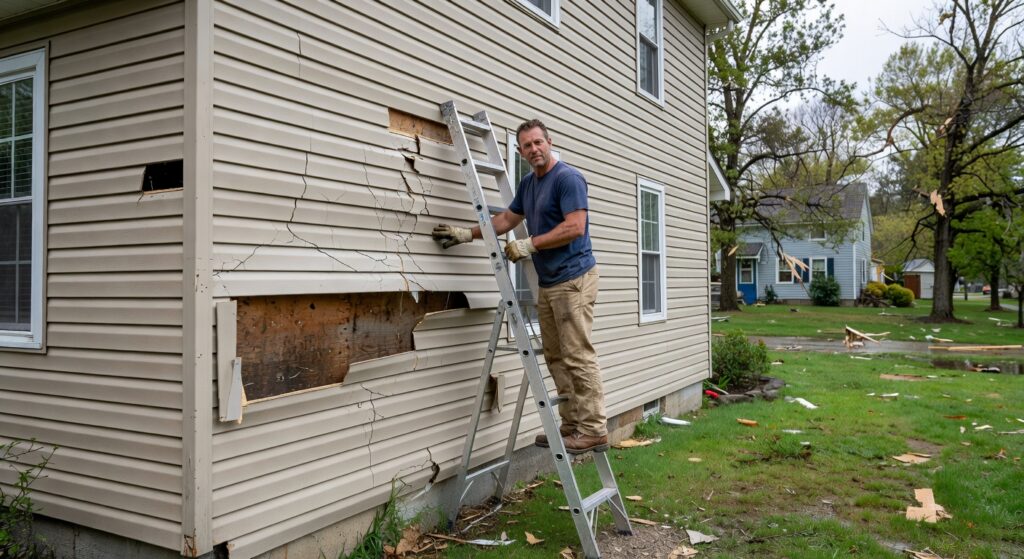
When siding gets damaged, waiting can make a small issue turn into a costly one. Cracks, loose panels, and missing pieces can let in water, and that can lead to bigger problems inside the home. In Ephrata, spring storms can leave behind damage that is not always easy to spot right away.
That is why the siding installation insurance claim process matters so much for homeowners after a storm. A quick response can help protect your home and make the claim process smoother before more damage has time to spread. If you need help getting started, our team at siding services can help you understand what to look for.
Insurance claims often move faster when the damage is documented early and clearly. Photos, notes, and a prompt inspection can make a real difference when you are trying to show what happened. The sooner you act, the easier it is to keep the repair process on track and avoid extra stress.
How We Help Homeowners Move Forward
We start by looking at the siding, the surrounding trim, and any other areas affected by the storm. That helps us determine whether the damage is isolated or part of a larger problem that needs attention. From there, we can explain what the insurer will likely want to see and what kind of repair work may be needed.
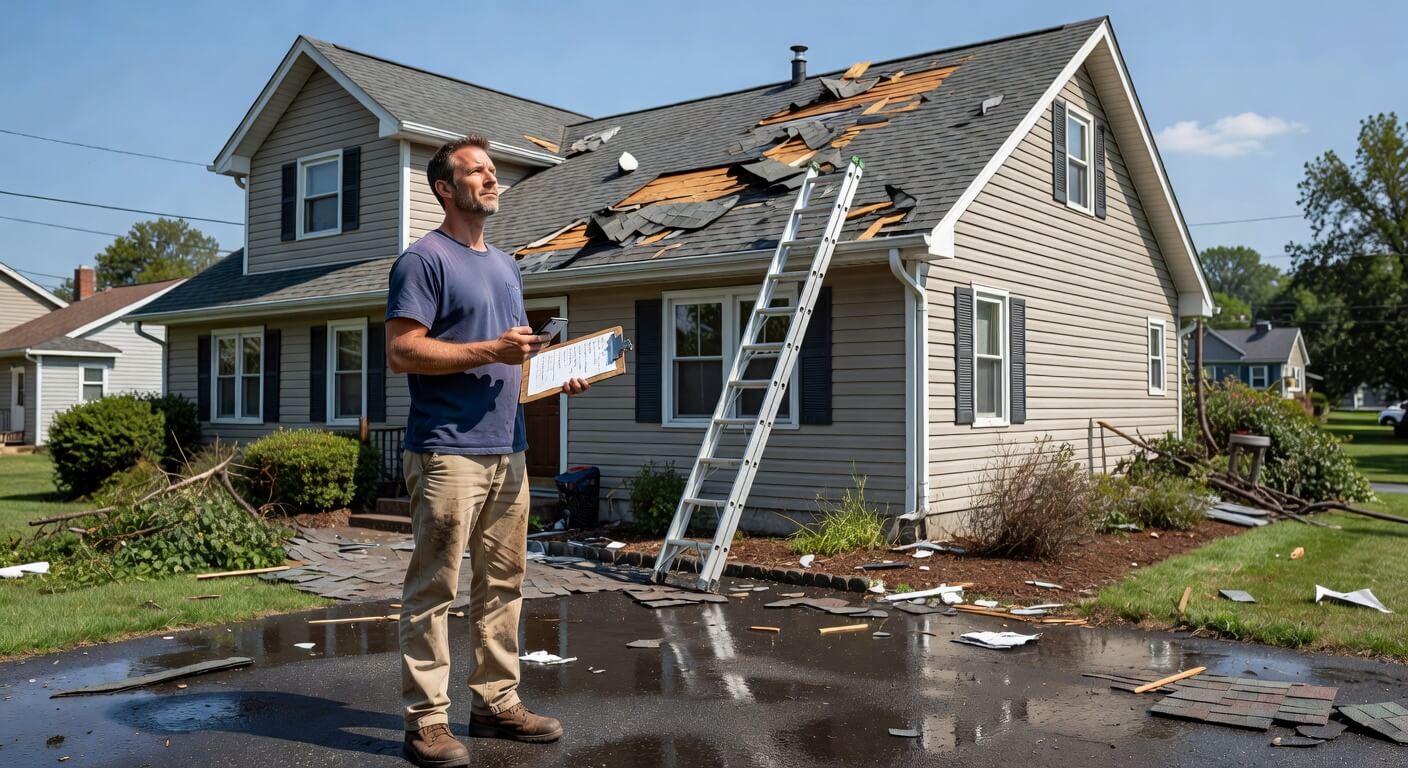
A clear plan helps homeowners feel less overwhelmed during a stressful time. We know that the siding installation insurance claim process can feel confusing, especially when you are also dealing with weather damage and a busy schedule. When needed, we also look at nearby issues like roof or gutter problems, since storm damage often affects more than one part of the home.
Step-by-Step Guide to the Claim Process
📸 Step 1: Document the Damage
Take clear photos of all visible siding damage right away. Include close-up shots and wider photos so the full scope is easy to understand later.
📋 Step 2: Review Your Policy
Check your homeowner’s policy to see what kinds of storm or impact damage are covered. This helps you know what to expect before you file the claim.
📞 Step 3: Contact Your Insurance Company
Report the damage as soon as possible after the event. Early reporting can help prevent delays and shows that you acted quickly.
🏠 Step 4: Schedule a Professional Inspection
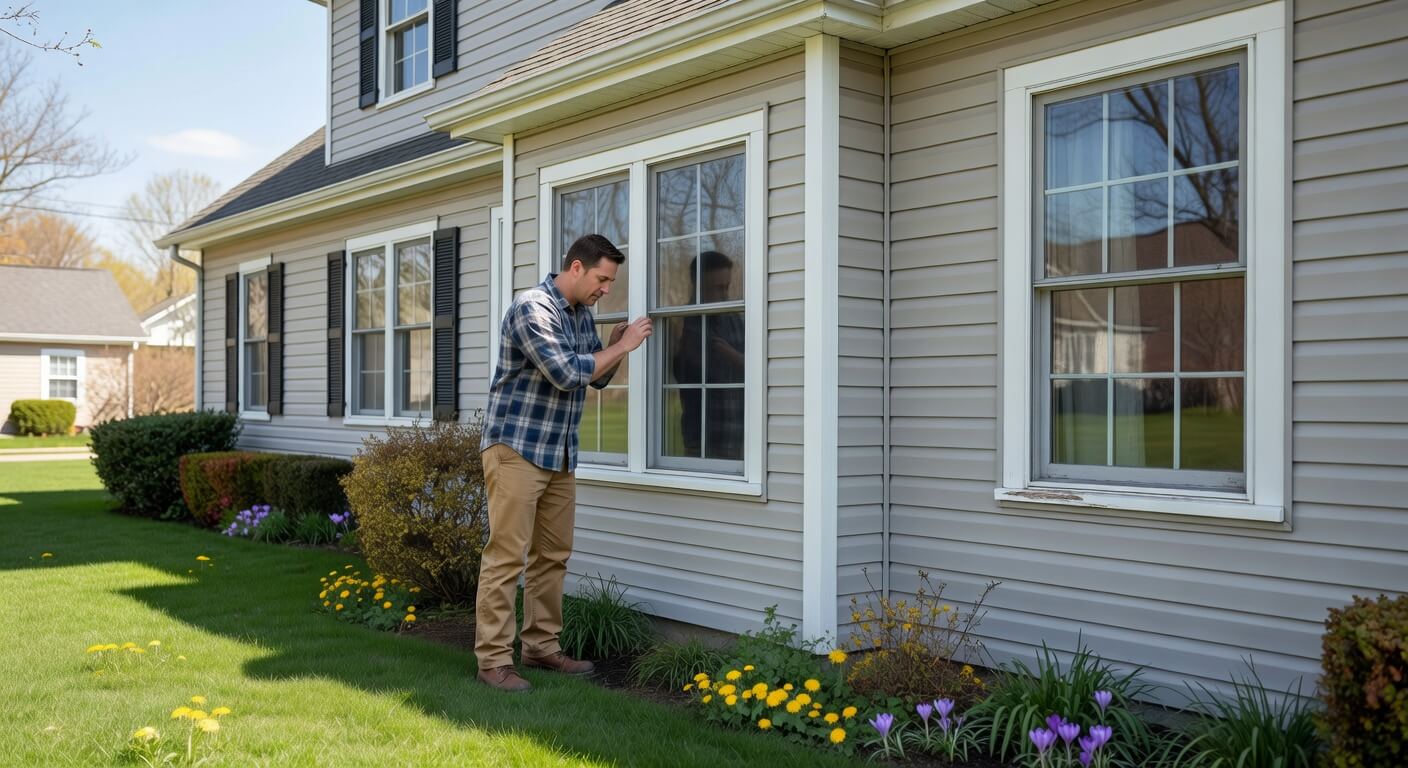
Have the siding checked by a qualified contractor who can identify visible and hidden damage. A trained eye can spot issues that homeowners often miss.
📝 Step 5: Gather Repair Details
Collect notes, photos, and any repair estimates you receive. This gives the insurance company a clear picture of what needs to be fixed and why.
🧾 Step 6: Meet the Adjuster
When the adjuster visits, make sure the damaged areas are easy to see. Share your documentation so the claim review stays accurate and organized.
🔧 Step 7: Approve the Repair Plan
Once the claim is reviewed, confirm the repair scope with your contractor. This helps make sure the replacement work matches the damage that was found.
🏡 Step 8: Complete the Siding Installation
After the claim is approved, the new siding can be installed. This restores protection to your home and helps prevent future water damage.
Common Mistakes to Avoid
A siding claim can get delayed when small details are missed early in the process. Many homeowners try to handle everything quickly and end up losing useful proof or overlooking damage in hidden spots. Avoiding these mistakes can make the siding installation insurance claim process much easier to manage.
- ⚠️ Mistake 1: Waiting Too Long to Report the Damage
This happens when homeowners hope the problem will not get worse or think they can deal with it later. Delays can make the damage harder to document and may slow down the claim. Prevent this by reporting the issue as soon as you notice it. - ❌ Mistake 2: Taking Too Few Photos
Some people only snap one or two pictures and assume that is enough. That often happens when they are in a hurry or do not realize how much proof matters. Prevent this by photographing every damaged section from more than one angle. - 🚫 Mistake 3: Missing Hidden Damage
Visible damage is easy to notice, but behind-the-scenes problems can go unseen. This usually happens when homeowners only look at the most obvious spots and skip a full inspection. Prevent this by checking nearby trim, under panels, and other areas exposed to wind or water. - ⚠️ Mistake 4: Filing Without Clear Repair Details
A claim can stall when there is no solid explanation of what needs to be fixed. This often happens when homeowners submit a basic report without contractor notes or estimates. Prevent this by keeping clear records of the damage and repair plan. - ❌ Mistake 5: Starting Repairs Before Approval
Some homeowners begin work too soon because they want the problem fixed right away. That can create problems if the insurer has not reviewed the damage yet. Prevent this by waiting for claim approval before any full installation work begins.
Frequently Asked Questions
What is the siding installation insurance claim process?
Yes, the siding installation insurance claim process is the series of steps a homeowner follows to report damage, document it, and get approval for repairs or replacement. It usually starts with photos and a claim report, then moves to inspection, adjuster review, and final installation.
How soon should I file a claim after siding damage?
Yes, you should file as soon as possible after the damage is found. Quick reporting helps keep the details fresh and gives the insurer a better record of what happened.
Will insurance cover siding damage from a storm?
Yes, many policies may cover storm-related siding damage if the cause is included in the plan. The exact coverage depends on the policy language, the cause of damage, and how well the loss is documented.
Do I need an inspection before filing the claim?
Yes, an inspection is very helpful before or right after filing because it shows the full extent of the damage. It also helps support the siding installation insurance claim process with clear repair details.
What should I do while waiting for claim approval?
Yes, you should keep taking photos, save all notes, and avoid starting major repairs too early. This keeps your records clean and helps prevent problems when the insurer reviews the claim.
Final Thoughts on Getting Started
Taking the right steps after siding damage can protect your home and make the claim process easier to manage. When you act quickly, document everything, and work with a trusted contractor, you give yourself a much better chance at a smooth repair. That is especially important in Ephrata during spring, when storm damage can move fast and spread before you realize it.
We help homeowners stay on track from the first inspection through final installation. If you want to keep up with our latest updates and see more from our team, follow us on social media.