• Comprehensive guide to fall roofing maintenance, ensuring your home’s protection for the upcoming winter season
• Practical tips on inspecting, cleaning, and repairing your roof to prevent costly damages
• Expert advice on avoiding common DIY mistakes and the importance of professional roof inspections for long-term roof health
Identifying Roofing Red Flags
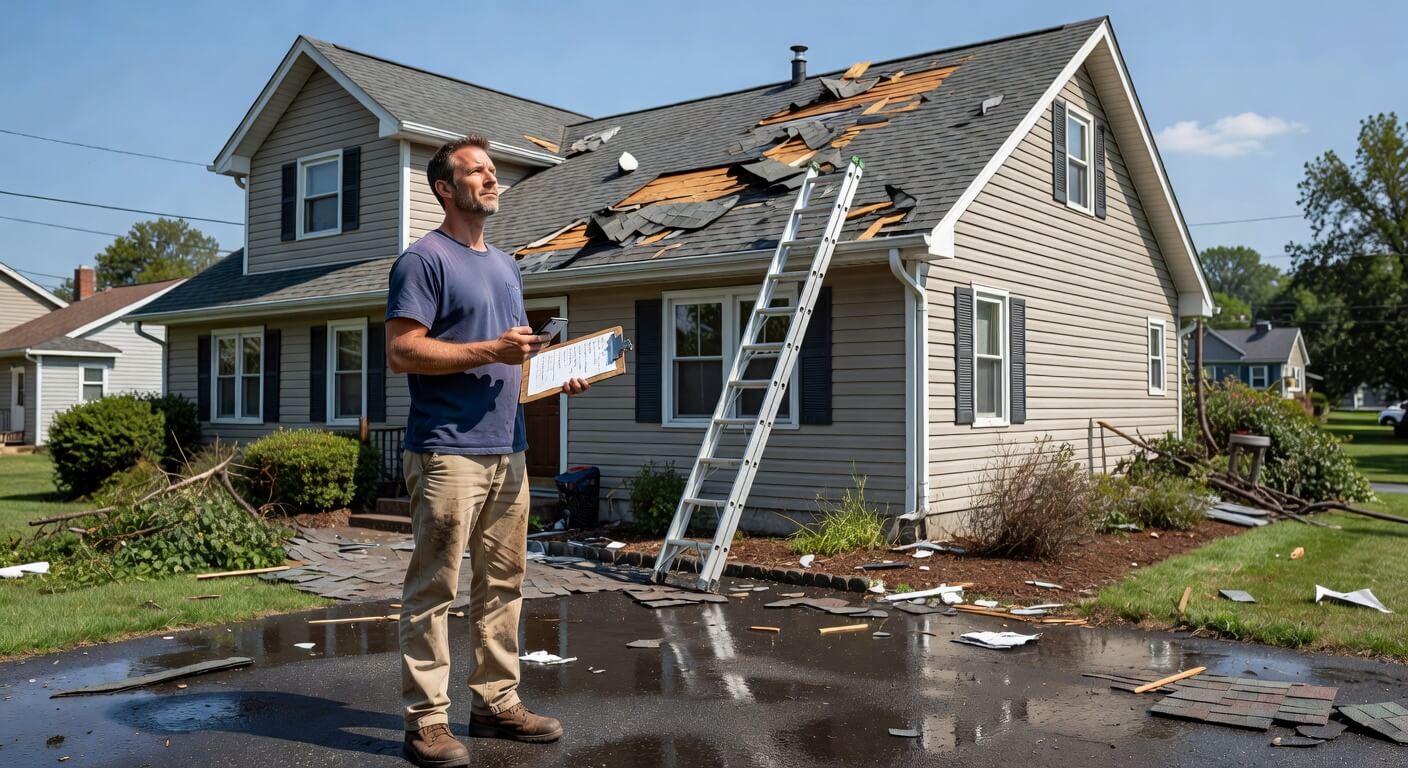
As the leaves begin to turn and the air grows colder, it’s crucial to turn your attention to your home’s first line of defense: the roof. Before diving into your fall roofing maintenance checklist, start with a thorough inspection, looking for warning signs that may compromise the integrity of your rooftop. Missing or damaged shingles can be a telltale sign of past storm damage; these vulnerable spots can lead to leaks and structural issues if not addressed promptly. Also, keep an eye out for excessive granule loss, which can indicate aging shingles that may require replacement.
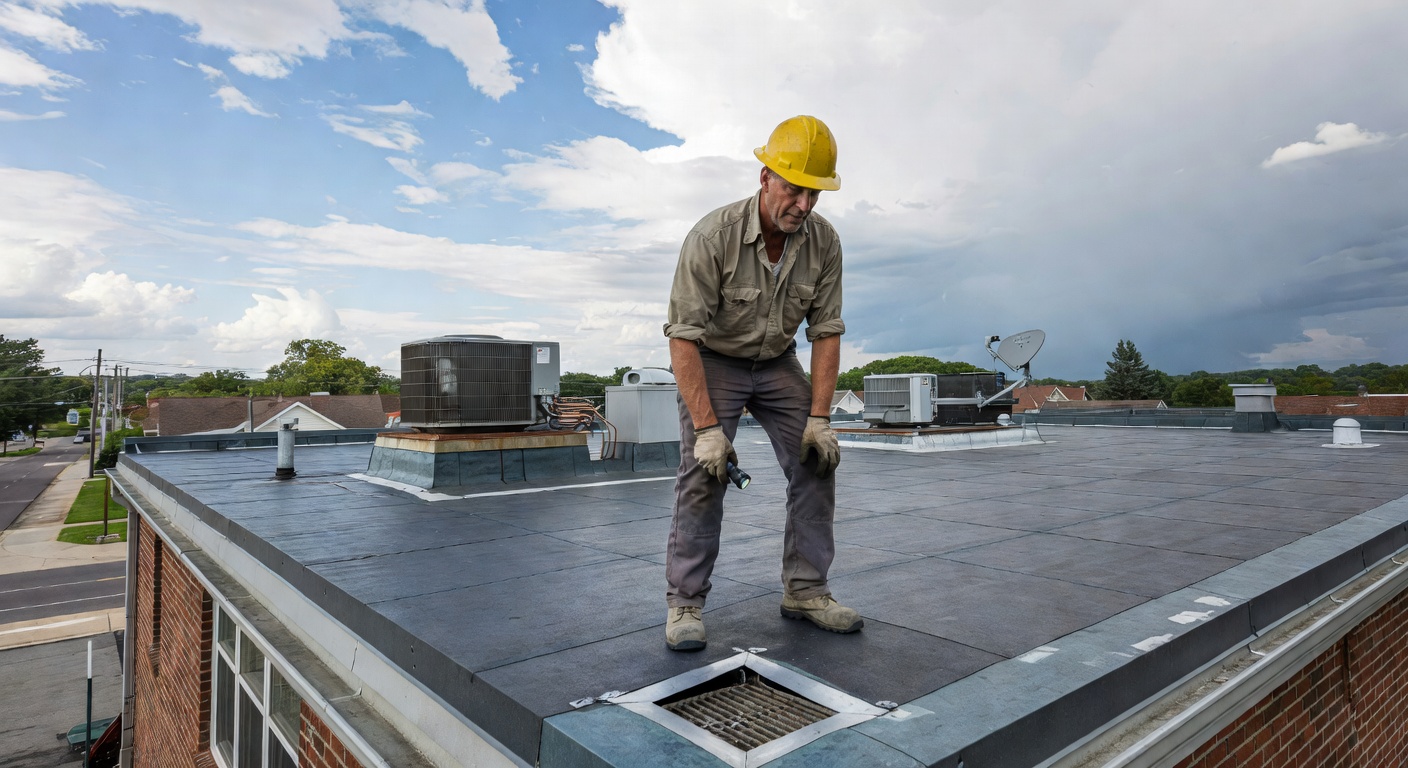
Venturing around your home’s exterior, pay special attention to the roofline. Notice any sagging or distortion which can suggest a weakened structure or possible water damage. Flashing, the metal strips that seal transitions on your roof, should be intact and securely in place—any gaps or rust could pave the way for water to enter your home. Specifically, chimneys and vents are hot spots for potential leaks, especially where their base meets the roof surface.
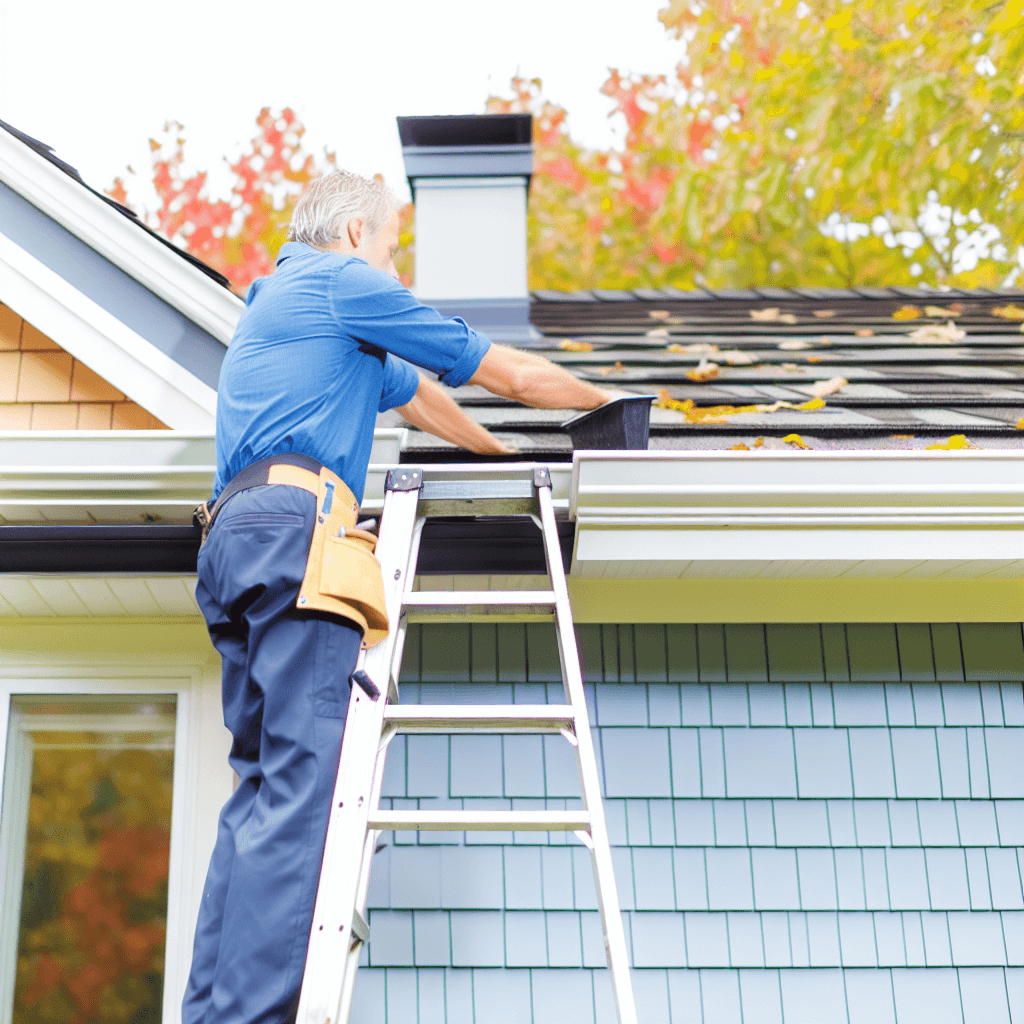
Your gutters play a pivotal role in protecting your roof, guiding rainwater safely away from your foundation. However, if they’re clogged with leaves or nestled with nests, they can act more like dams, backing up water onto your roof and siding. This can be a significant cause of rot and mold, both of which can severely degrade your home’s materials. As part of your maintenance, ensure these are cleared out to maintain a smooth, obstruction-free pathway for water flow, especially with the expectation of fall’s heavy rainfalls.
Maintaining a Strong and Efficient Roof
The integrity of your roof is crucial as it bears the full brunt of the autumn weather. Overhanging tree limbs can pose a risk to this integrity; therefore, trimming any branches that sit above your home is a preemptive move to prevent natural debris from accumulating or causing damage during storms. A good rule of thumb is to keep branches at least ten feet away from the roof to minimize the risk of rodents or insects finding their way onto your roof. This step is not only about fall maintenance, but also about proactively safeguarding your roof against future weather threats.
Autumn is notorious for its damp conditions, which can encourage the growth of moss, algae, or fungus on your roof if left unchecked. These growths can undermine shingle integrity and lead to a host of roofing problems—if you notice green or black streaks, it’s time for a treatment. A solution tailored to your roofing material can eliminate these issues and should be part of your seasonal roof care. For greater insight into proper roof maintenance or if you need assistance with repairs, consider the expert services available at Robison Roofing Services, Inc., which can guide you through the process of ensuring your roof is prepared for the coming winter.
Ensuring Your Roof is Winter-Ready
It’s not just the rooftop itself that needs attention, the area beneath it plays an equally important role in a fully functioning roofing system. An inspection of your attic and insulation is an essential step in the preparation for colder months, as poor insulation can lead to significant heat loss and the formation of ice dams. Make sure that the attic has proper ventilation and that insulation is not obstructing airflow, which is critical to maintaining a consistent roof temperature. Signs of pests, mold, or dampness in your attic should be taken seriously and addressed immediately to prevent more severe damage.
Caulking around roof penetrations acts as a defense against water intrusion, but it doesn’t last forever. Inspecting and replacing deteriorating caulk is pivotal in fortifying this defense. Make sure to use high-quality caulk designed for exterior use, ensuring it can withstand the extreme conditions often experienced during Fall and Winter. Completing these steps can drastically reduce the likelihood of encountering surprise leaks when the weather takes a turn for the worse.
Step 1: Assess Your Roof’s Condition
Begin your fall roofing maintenance by doing a thorough inspection. Look for missing, damaged, or loose shingles that may have been affected by summer storms. Check for signs of wear around roof fixtures, such as vents and chimneys.
Step 2: Clean Your Gutters and Downspouts
Clear out all leaves, sticks, and debris from your gutters. Ensure that water can flow freely through your gutters and downspouts to prevent water damage and ice dams in the winter months.
Step 3: Trim Overhanging Tree Branches
Trim any branches that hang over your roof. This not only reduces the amount of debris that falls into your gutters but also minimizes the risk of damage from broken limbs.
Step 4: Look for Signs of Moss, Algae, or Fungus
These can cause significant damage if left unchecked. If you spot any growth, treat your roof with a moss killer and roof cleaner formulated for your specific roofing material.
Step 5: Inspect and Secure Flashing
Ensure that the flashing around your chimney, vents, and skylights is secure and in good condition. This is a common area for leaks to develop, so address any issues promptly.
Step 6: Check Your Attic and Insulation
Poor insulation can lead to heat loss, contributing to roofing issues like ice dams. Inspect your attic for signs of dampness, mold, or pests, and check that your insulation is adequate and not blocking any ventilation.
Step 7: Seal and Replace Caulking
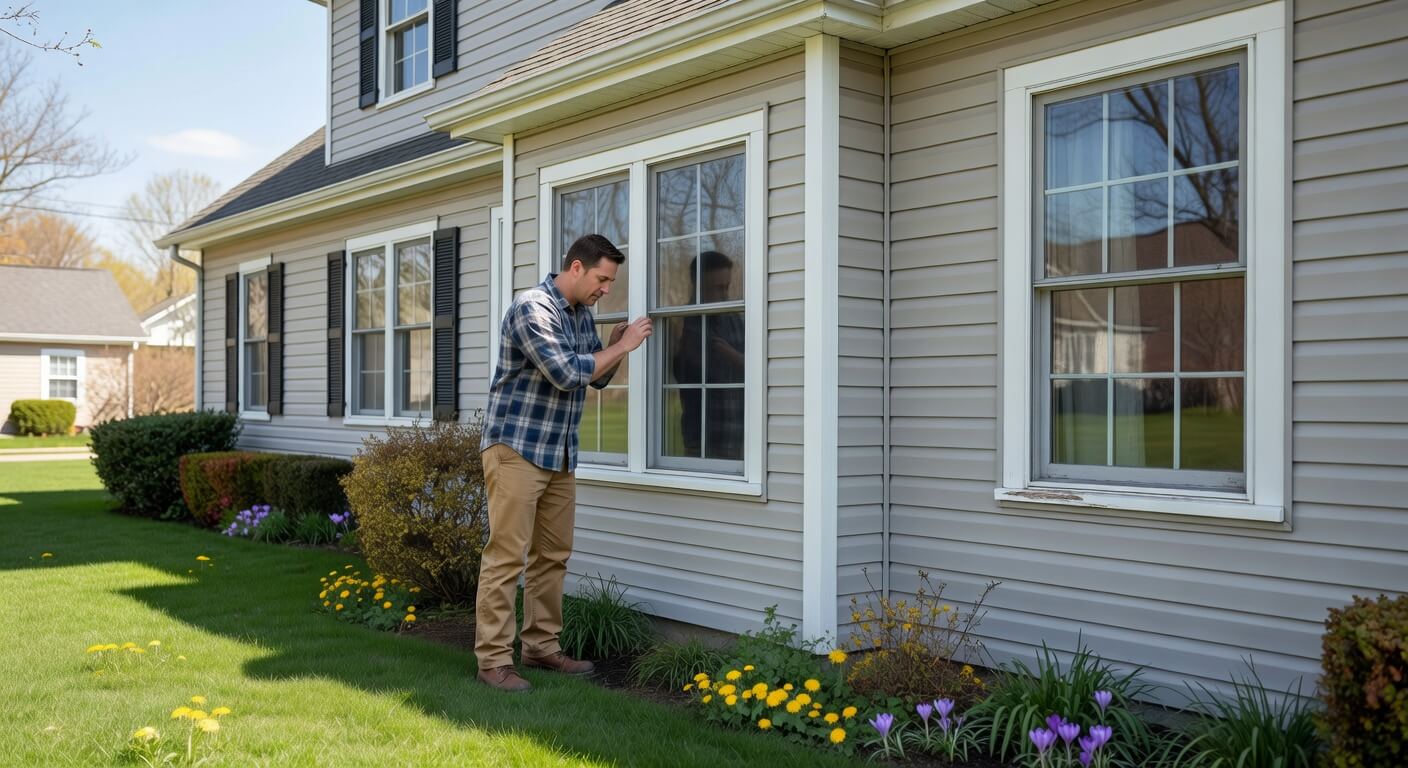
Old or cracked caulking can allow water to seep into your home. Check the caulking around your roof and replace it as necessary to maintain a waterproof barrier.
Step 8: Schedule a Professional Inspection
If you’re unsure about your roof’s condition or if you identified potential problems, it’s essential to have a professional roofer conduct an inspection. They can offer precise advice and help with any necessary repairs before winter sets in.
Common DIY Roofing Mistakes to Avoid
Taking a proactive approach to roof maintenance is commendable, but even well-intentioned DIYers can fall into pitfalls. Missteps during the maintenance process can not only negate your hard work but also lead to greater damage and expenses. Here, we’ll outline common blunders homeowners make during fall roofing upkeep, ensuring you can steer clear and keep your roof in top condition.
1. Neglecting Regular Inspections
Many homeowners wait for visible issues before inspecting their roof, which can be a costly error. Regular checks can catch minor problems before they escalate, saving money and extending your roof’s lifespan.
2. Overlooking Gutter Health
Ignoring gutter maintenance can lead to significant water-related damages. Clogged gutters prevent proper drainage, causing water to overflow and potentially damage the roof, fascia, and foundation of your house.
3. Improper Pruning Techniques
Uneven or excessive trimming of overhanging branches may threaten the health of the tree and result in debris falling onto your roof. It’s vital to use correct pruning methods to keep both the tree and your roof safe.
4. Using Incorrect Cleaning Agents
Cleaning your roof with the wrong solutions or harsh methods can damage the roofing materials. Always use products approved for your specific type of roof and follow the manufacturer’s instructions.
5. DIY Flashing Repairs
Trying to fix or replace flashing without proper knowledge can lead to more extensive leaking and water damage. This repair is often best left to professionals.
6. Disregarding Attic Ventilation and Insulation
Homeowners might not realize that good attic ventilation and adequate insulation are crucial for roof health. Poor ventilation can cause heat and moisture buildup, leading to mold, rot, and ice dams.
7. Skipping Quick Caulk Fixes
One may overlook minor cracks in the caulk, but even small openings can let water seep through over time. Regularly check your caulk lines and reapply as necessary to create a watertight seal.
8. Delaying Professional Evaluations
Assuming everything is fine without a professional’s confirmation can be a grave error, especially if you’re not trained in recognizing subtle signs of roof damage. Schedule periodic inspections to ensure all is well with your roof.
Finalizing Your Roof Maintenance
When it comes to roofing, even the smallest oversights can lead to major problems down the line. A critical final step is to have a professional inspection to validate the condition of your roof and the effectiveness of your maintenance. Experts from Robison Roofing Services, Inc. can provide a thorough examination and ensure that all aspects of your fall roofing maintenance checklist are complete, offering peace of mind as you head into winter.
Preventative Measures for Long-term Durability
By rigorously adhering to this maintenance checklist, you are not only preventing potential fall and winter damage but also extending the lifetime of your roof. The time and resources invested today in proper care can save considerable costs and hassles in the future. Remember, consistent upkeep is key to a safe and sturdy roofing system that protects your home year-round.