The Buzz on Cicada Control in Galloway
The clock is ticking for homeowners in Galloway as the buzz of cicadas grows louder. These periodic visitors are not just any nuisance; they are renowned for their overwhelming numbers and the cacophony that fills the air every thirteen to seventeen years. Galloway residents must brace themselves for the imminent crescendo as cicada season approaches. Understanding how to manage these insects is crucial, as they can overrun outdoor spaces and disrupt daily life. The key to maintaining peace and tranquility in your home and garden lies in proactive and effective cicada management strategies.
As if on cue, swarms of cicadas are preparing to surface, staying true to their unique life cycle. In areas where these periods align, the emergence is a predictable yet daunting event. This season warrants particular attention; failure to act promptly can lead to significant landscape and botanical distress. Experts emphasize the importance of immediate action, as adult cicadas have a brief lifespan but can cause significant damage during their short stint above ground. Galloway’s serene summer can quickly turn into an unwanted natural symphony, making preventative measures against cicada damage more than just a recommendation—it’s a necessity.
The experience of a cicada summer is unique, and while interesting from an ecological viewpoint, it can be incredibly stressful for homeowners. The disruption to your peaceful backyard oasis, the potential harm to young trees, and the overall invasion of your personal space by these noisy creatures can be overwhelming. The sound alone – a mating call that can reach deafening levels – underscores the urgency for sound cicada strategies. Smart and timely interventions can mitigate the effects on your summer experience. As the season progresses, moving swiftly to protect your property from these temporary invaders becomes critical for those seeking respite from the cacophony of cicadas.
Expert Strategies for Managing Cicadas
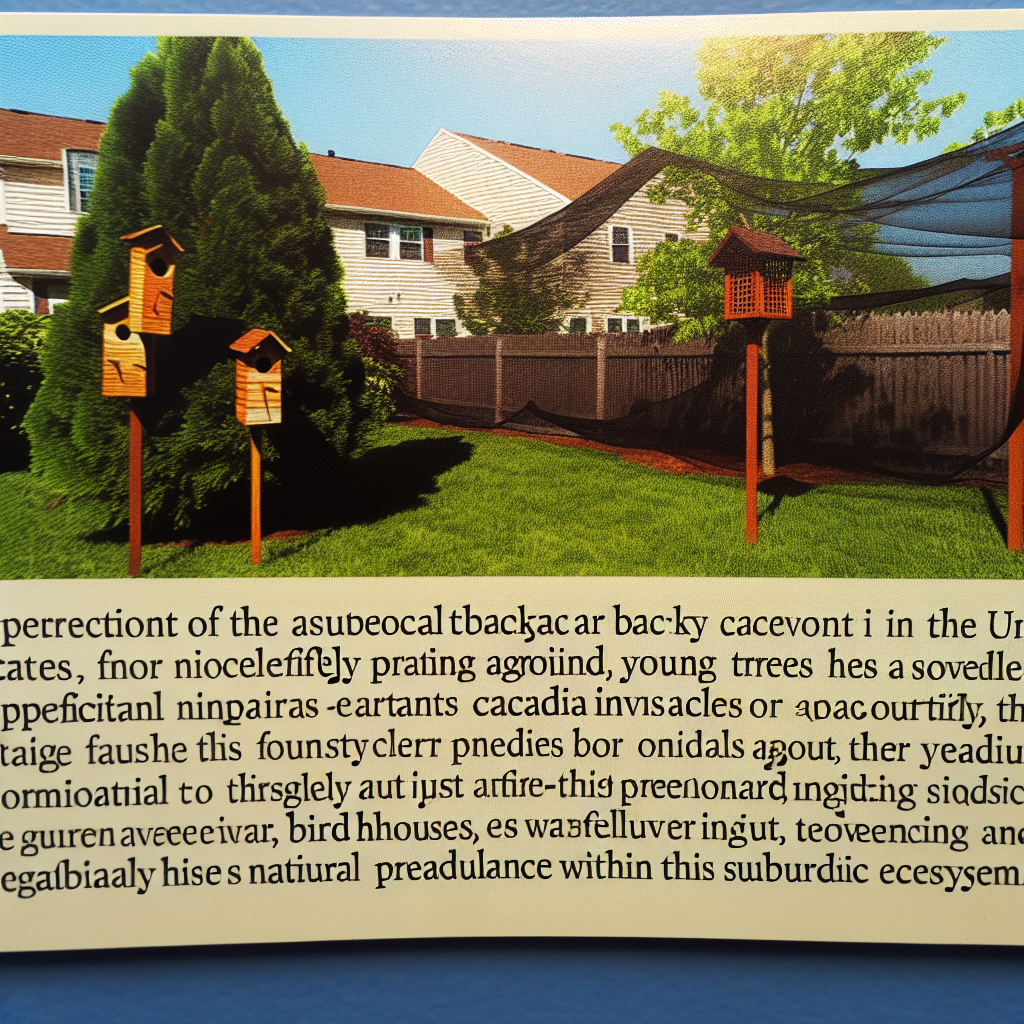
When facing the onslaught of cicadas, homeowners have a gamut of strategies at their disposal. The simplest yet often overlooked approach is the creation of barriers using netting or temporary structures around vulnerable plants and trees. While these pests are alive only for a short period above ground, during this time they are fervently seeking to lay eggs in the tender branches of young trees, which can cause lasting damage. Employing physical deterrents early in the season can save a significant amount of time and money in future landscaping repairs. It’s a battle of prevention rather than cure when it comes to safeguarding your garden’s lushness.
Turning to chemicals as a means of cicada control should be done with caution and consideration for the wider environment. Integrating birds and other wildlife that feast on cicadas can serve as a natural form of pest control. For those seeking a balance between effective intervention and ecological responsibility, consulting with experts from a reputable company, like Robison Roofing Services, can provide tailored solutions that address both the urgency of the situation and the health of the local ecosystem. This not only ensures the preservation of Galloway’s natural beauty but also aligns with a more sustainable approach to residential pest management.
Regarding the din of these notorious insects, rest assured that there are ways to reduce the irritation. Soundproofing certain areas of your home or utilizing white noise devices can offer a reprieve from the incessant drone. Educational outreach can also prepare the community for what’s to come, potentially creating a bond over shared experiences and mutual support networks. Community engagement and understanding not only enhance personal resilience but also a collective response to the natural phenomenon. Together, residents can weather the acoustic storm that is a hallmark of cicada season.
Preparing for the Next Cicada Season
Proactive preparation is key to minimizing the impact of cicadas during their active season. By understanding their patterns, homeowners can plan landscaping and gardening activities to avoid the most vulnerable times. Engaging in routine yard maintenance, such as pruning and monitoring tree health, becomes especially important in the years cicadas are due to emerge. Your efforts today can prevent the need for extensive repairs or interventions tomorrow. This foresight is not just about maintaining the appearance of your property but also about taking control of your personal living space.
For residents of Galloway, the experience of a cicada season is an unforgettable one that leaves behind lessons on the power of nature. These lessons inform better practices and create opportunities for communities to come together and share knowledge. Whether it’s exchanging tips on cicada-proofing yards or supporting local businesses like Robison Roofing Services that offer expert advice and assistance, each cicada season can strengthen community bonds. Preparation is not a solitary endeavor but rather a collective effort to secure the well-being of the entire neighborhood.
As the cicadas retreat back underground, leaving behind the echoes of their summer song, homeowners can take a moment to reflect on the success of their control strategies. Adjusting and refining these tactics for future seasons ensures continuous improvement and a more peaceful coexistence with this natural phenomenon. We at Robison Roofing Services encourage you to stay vigilant, seek support when needed, and remember that with expert help, you can protect your home from these and other seasonal challenges. Galloway’s summers are meant to be enjoyed, and with the right preparation, you can look forward to tranquil outdoor living, year after year.
Insights From The Experts
Tip 1:
To protect young trees from cicadas, consider using netting or cheesecloth to create a physical barrier. Ensure the material is fine enough to prevent cicadas from reaching the branches, as they are known to cause damage when laying eggs.
Tip 2:
Attract cicada predators such as birds and small mammals to your garden by creating a habitat with birdhouses, birdbaths, and native plants. These predators can naturally reduce the cicada population in your area.
Tip 3:
If considering pesticides for cicada control, opt for eco-friendly and targeted options to minimize environmental impact. Always follow the application instructions carefully to protect other wildlife and beneficial insects.
Tip 4:
To mitigate the intense noise from cicada swarms, seal windows and use white noise machines indoors. Though cicada calls are natural, they can be startlingly loud; earplugs may be helpful during peak cicada season for outdoor activities.
Tip 5:
For outdoor events during cicada season, set up canopies and fans to discourage cicadas from the area. Vibrations from the fans and physical barriers can make it less inviting for cicadas to swarm near your gathering.
Expert Answers to Your Cicada Queries
How Can I Prevent Cicadas From Damaging Young Trees In My Yard?
To protect young trees, wrap them in fine netting or cheesecloth. This will deter cicadas from laying eggs on the branches, which can be harmful to tree growth.
Are There Natural Predators I Can Attract To Help Control Cicada Populations?
Yes, attracting birds, bats, and small mammals can help control cicada populations. Providing habitats like birdhouses or native plants will invite these predators to your garden.
What Are The Risks Of Using Pesticides To Get Rid Of Cicadas, And How Can I Minimize Them?
Pesticides can harm beneficial insects and the local ecosystem; using targeted, environmentally friendly options and applying them responsibly will minimize these risks.
Can Noise From Cicadas Cause Damage To Human Ears, And How Can It Be Mitigated?
While cicada noise is loud, it’s unlikely to cause hearing damage. Using white noise devices or earplugs during peak periods can help mitigate the annoyance.
During Cicada Season, How Can I Safeguard My Outdoor Events From Cicada Swarms?
For outdoor events, setting up canopies and using sound systems or fans can help keep cicadas away by creating an uncomfortable environment for them to fly or settle in.