Unlock the Secret to a Picturesque Lawn
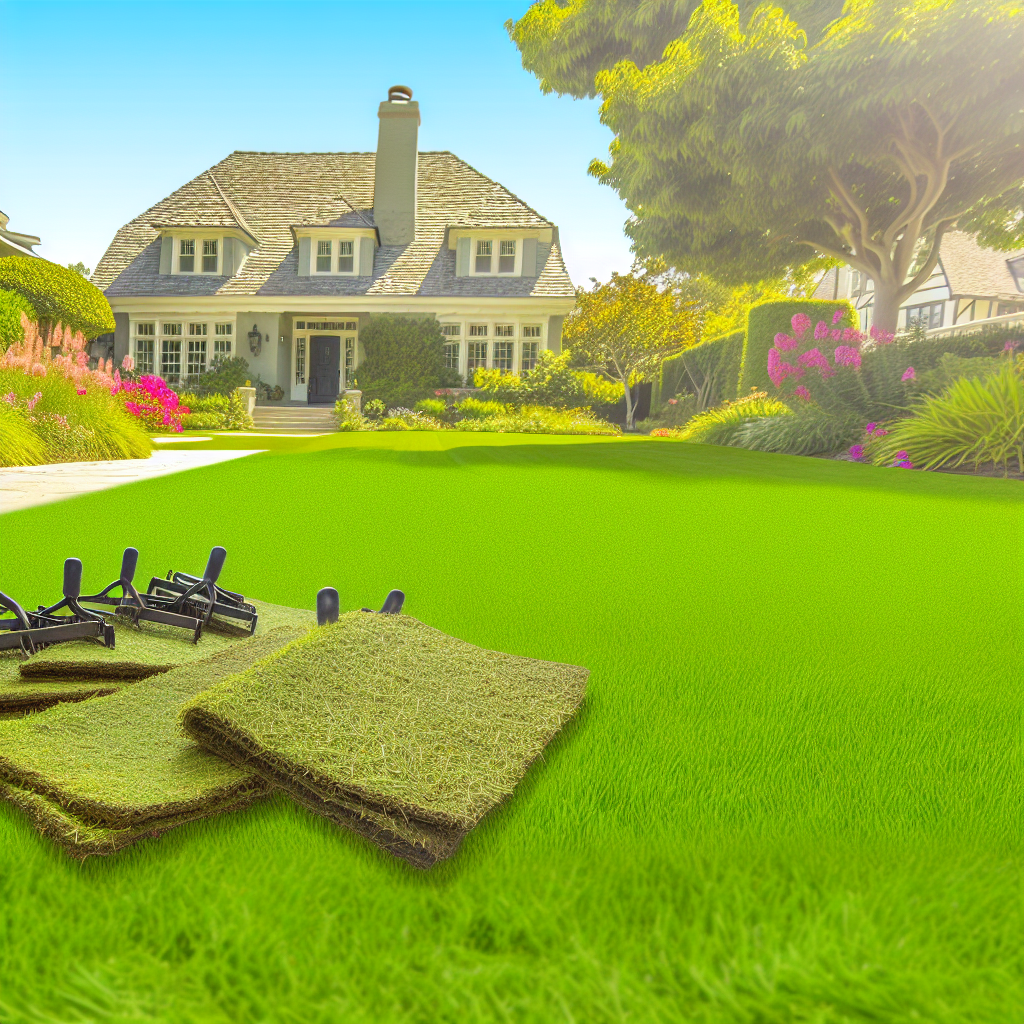
Imagine stepping out to a yard that’s the envy of the neighborhood, with vibrant green blades of grass underfoot creating a soft, inviting carpet. That’s the dream that comes true when you properly lay out a fresh sod, transforming barren or worn landscapes into lush gardens. The joy of hosting family barbecues and watching kids play on a well-maintained lawn is unmatched. And while the aesthetics are undeniably appealing, there’s also an undeniable gratification in knowing your outdoor space is at its absolute peak. There’s no better time than now, as the warm summer sun in Doylestown provides the perfect growing conditions for sod to take root.
The urgency to act is real, as summer offers a narrow window where the warmth and longer daylight hours work in your favor. Laying sod during this season sets the stage for success, ensuring robust growth and deep rooting. Understand that the groundwork for such a lawn begins long before the sod rolls out. Preparing your soil with care and precision sets the foundation for a verdant outcome. Knowledge is your greatest tool here, and skipping steps or rushing can lead to mediocre results at best.
Why Timing and Technique Matter
There’s a golden rule when it comes to sod installation – timing isn’t just important; it’s everything. Miss your window, and you could be looking at a patchy result, or worse, starting again from scratch next season. The technique is just as crucial, assuring that each square foot of sod establishes evenly for a seamless look across your yard. Each roll of fresh sod needs to become part of a unified whole, without gaps or overlaps that can compromise the lawn’s health. Take the plunge with us as we guide you through the nuances of sod installation in Doylestown’s ideal summer weather, where your efforts now can pay off for years to come.
Preparing the Groundwork for Sod Success
The initial step in your journey to a lush lawn begins beneath the surface. An effective sodding experience starts with rigorous soil preparation, laying the foundation for robust and healthy grass. By uprooting unwanted vegetation and enriching the earth with organic compounds, you provide the best possible bed for the sod to take root. Testing your soil’s pH and nutrient balance can make all the difference in how your sod will thrive. Adjustments may be necessary, adding lime for acidity or sulfur for alkalinity, ensuring your sod has everything it needs to grow.
Detailed Care for a Striking Transformation
Proper installation is next on your path to mastering how to lay sod. Ensuring the seams of each sod roll are tightly synced prevents drying and death of the roots at the edges. Rolling the sod after installation is also essential, as it expels air pockets and maximizes contact between the sod and soil. The attention to detail in laying each strip will reflect in the uniformity and health of your lawn. Coupled with strategic watering – neither scarce nor excessive – your efforts encourage a deep root system, essential for long-term resilience.
Moving beyond installation, your lawn requires ongoing attention and care. Proper drainage is as paramount as the sunlight bathing your Doylestown lawn, necessitating a well-considered landscaping plan. Avoiding foot traffic on the new sod for a few weeks allows the roots to establish without disruption. As the grass matures, routine mowing using sharp blades preserves its vitality, preventing tearing and stress. Such thoughtful maintenance commands the growth of each blade, ushering your lawn into an era of envious green splendor.
The Final Touches for Lasting Impressions
As the summer sun continues its arc, your newly installed sod begins to root deeply, establishing its presence in your garden. Patience is your trusted companion in these final stages; resist the urge to probe and instead allow nature to take its course. It’s during this time the sod transitions from a mere covering to an integral part of your yard’s ecosystem. With each passing day, the deep greens of the grass become more vibrant, a testament to your diligence and care. Trust in the methods shared, and soon you’ll boast a verdant lawn that’s both beautiful and enduring.
Cultivating Trust and Assurance
Your confidence will grow as you observe your lawn’s response to your efforts. It’s a clear indicator of the robustness and vitality of your installation process. Witnessing the transformation of your Doylestown yard into a stretch of lush, green grass brings with it an innate satisfaction and the assurance that you’ve done it right. Your actions have fortified your home’s outdoor appeal and practically assured your lawn’s longevity. Turn to trusted experts for more guidance and support to enhance not just the ground beneath your feet, but all aspects of your home’s exterior.
The journey doesn’t end once the sod has taken root; it’s merely the beginning of an ongoing relationship with your landscape. Seasonal maintenance, tailored to your lawn’s needs, will continue to foster its condition. Keep your eyes on the horizon as your lawn becomes not only a personal sanctuary but a symbol of your commitment to nurturing and growth. Robison Roofing Services, Inc. is proud to provide the advice and quality service you deserve. Together, we ensure that the investment in your lawn is a reflection of your pride in your home and community.
Expert Insights On Lush Lawns
Tip 1:
The ideal time to lay sod is during mild weather conditions, like late spring or early fall, to ensure the roots can establish without the stress of extreme heat or cold.
Tip 2:
Soil preparation is key for sod success. Start with removing old grass and weeds, then till the soil and add a starter fertilizer to provide essential nutrients for your new sod.
Tip 3:
Watering your new sod is crucial; keep it moist but not waterlogged. Typically, watering twice a day—once in the morning and once in the evening—for the first couple of weeks works best.
Tip 4:
Employ the best sodding practices by ensuring the seams between sod pieces are tight without overlapping. Air pockets can dry out the roots, so make sure the sod is laid flat against the soil.
Tip 5:
Sod can indeed aid in preventing soil erosion. Its dense root system binds the soil better than seed, especially on slopes, making it a great option for challenging landscapes.
Your Sod Installation Queries Answered
What Is The Best Time Of Year To Lay Sod?
The optimal time to lay sod is during the milder weather of late spring or early fall when the temperatures are not too hot or cold for the roots to establish.
How Can I Prepare My Soil For New Sod?
To prepare your soil, start by clearing the area of debris, rocks, and old grass, then till to about 6 inches and add a layer of compost for nutrient enrichment.
How Often Should New Sod Be Watered After Installation?
New sod should be watered twice daily, keeping it moist but not waterlogged, to ensure the roots are adequately hydrated for successful establishment.
What Are The Top Sodding Practices To Ensure Healthy Growth?
Top sodding practices include meticulous soil prep, ensuring tight seams between sod pieces during installation, and rolling the sod to remove air pockets.
Can Laying Sod Help With Soil Erosion Issues?
Yes, laying sod can significantly help with soil erosion due to its dense root system that stabilizes the soil more quickly than grass grown from seed.