Insurance appraisal is a formal evaluation process used to determine the extent of roof damage and the cost of necessary repairs or replacement for insurance claim purposes. When homeowners and insurance companies disagree on damage assessment or claim value, an appraisal provides an objective third-party review. This process typically involves a licensed adjuster who inspects the roof, documents findings, and submits a detailed report that influences your claim outcome and coverage amount.
Pre-existing conditions refer to roof damage or deterioration that existed before a claimed incident occurred, such as prior leaks, worn shingles, or structural weakness. Insurance companies often deny or reduce claims if they determine damage resulted from pre-existing conditions rather than sudden, covered events. Maintaining detailed roof maintenance records and conducting regular inspections helps homeowners demonstrate proper stewardship and distinguish between existing wear and new storm damage.
Storm damage restoration encompasses the complete process of repairing or replacing roofing systems compromised by severe weather events, including wind, hail, ice, and heavy precipitation. This restoration involves damage assessment, insurance claim filing, contractor selection, and repair completion. Philadelphia’s unpredictable winter weather frequently necessitates storm damage restoration, making it essential for homeowners to understand coverage options and act promptly to prevent secondary damage like water intrusion.
Claim documentation is the comprehensive collection of evidence supporting your insurance claim, including photographs of damage, contractor estimates, maintenance records, and written incident descriptions. Thorough documentation substantiates the extent and cause of damage, making it difficult for insurers to dispute your claim. Proper claim documentation includes time-stamped photos from multiple angles, detailed damage descriptions, and professional assessments that collectively demonstrate the need for roof replacement or repair.
Depreciated value represents the reduced worth of roofing materials over time due to age and wear, which insurance companies often factor into claim settlements. Rather than paying full replacement cost, insurers may initially pay only the depreciated value, with the difference (recoverable depreciation) available after repairs are completed. Understanding depreciated value clauses in your policy helps set realistic expectations for claim payouts and prevents surprise underpayment situations.
An adjuster is an insurance company representative who inspects roof damage, evaluates repair costs, and determines claim settlement amounts based on policy coverage. Adjusters play a crucial role in the appraisal process, as their assessment directly influences how much compensation you receive. Working with a reputable roofing contractor during the adjuster’s inspection ensures all damage is properly identified and documented, protecting your interests during insurance negotiations.
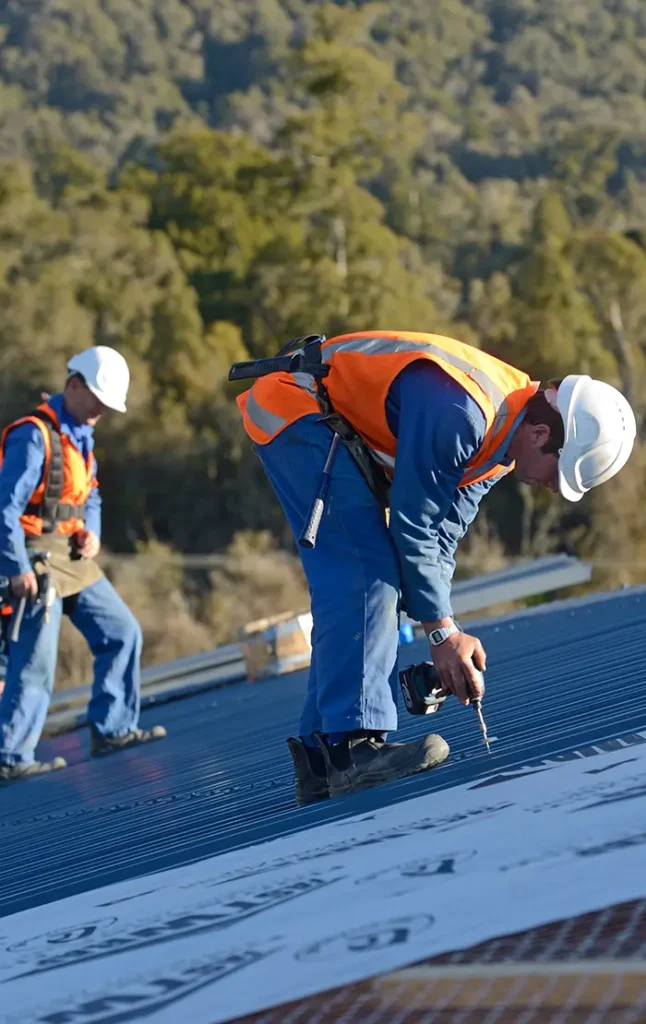
Residential roof replacement is the complete removal and installation of a new roofing system for homes when damage is extensive or repairs are no longer cost-effective. This process involves material selection, tear-off of existing roofing, installation of underlayment and new roofing materials, and proper disposal of old materials. Insurance coverage for residential roof replacement depends on damage cause, policy terms, and whether the claim meets coverage criteria for sudden, covered incidents.
Sudden damage refers to roof harm that occurs unexpectedly from a specific, identifiable event rather than gradual deterioration over time. Insurance policies typically cover sudden damage from storms, falling trees, or other unforeseen incidents, but exclude damage from normal wear or lack of maintenance. Distinguishing between sudden damage and gradual wear is critical for claim approval, making prompt documentation after weather events essential for successful insurance appraisals.