The Immediate Need for Wind Damage Repair
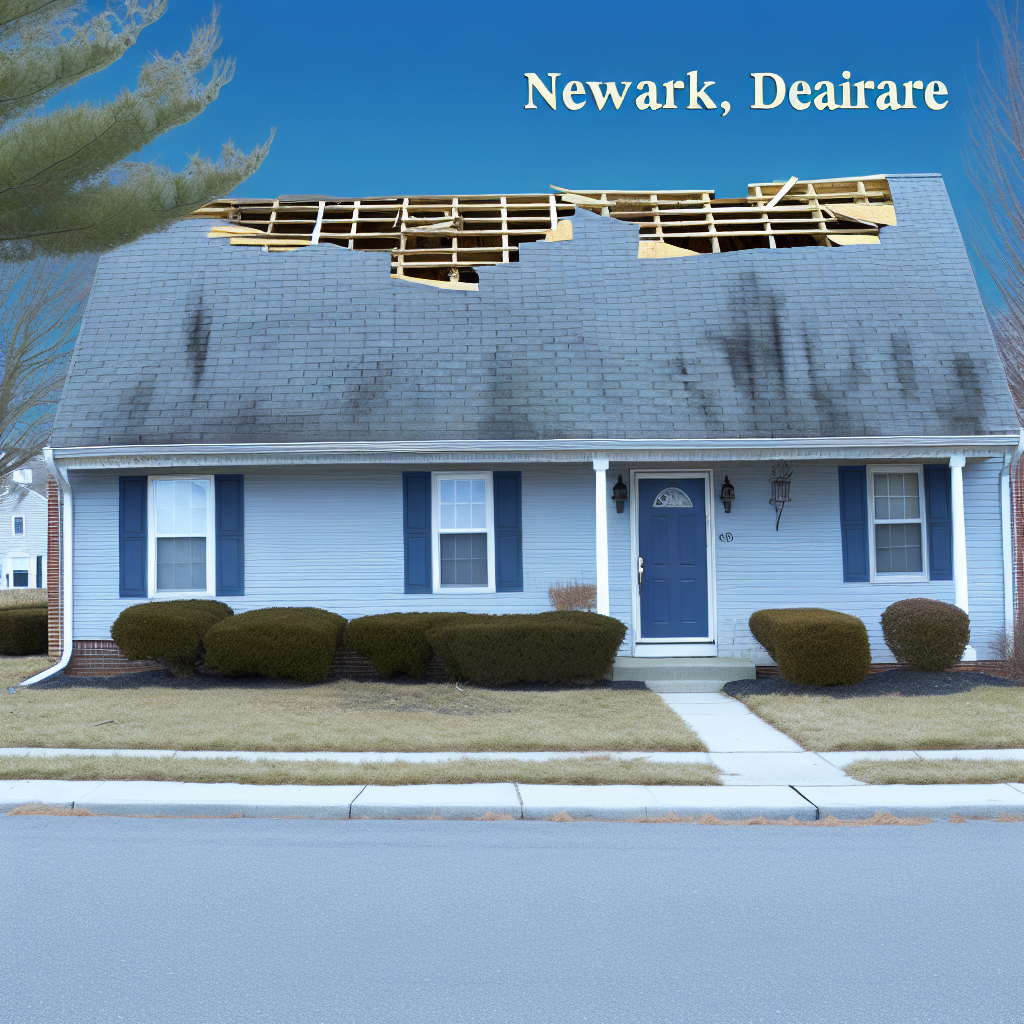
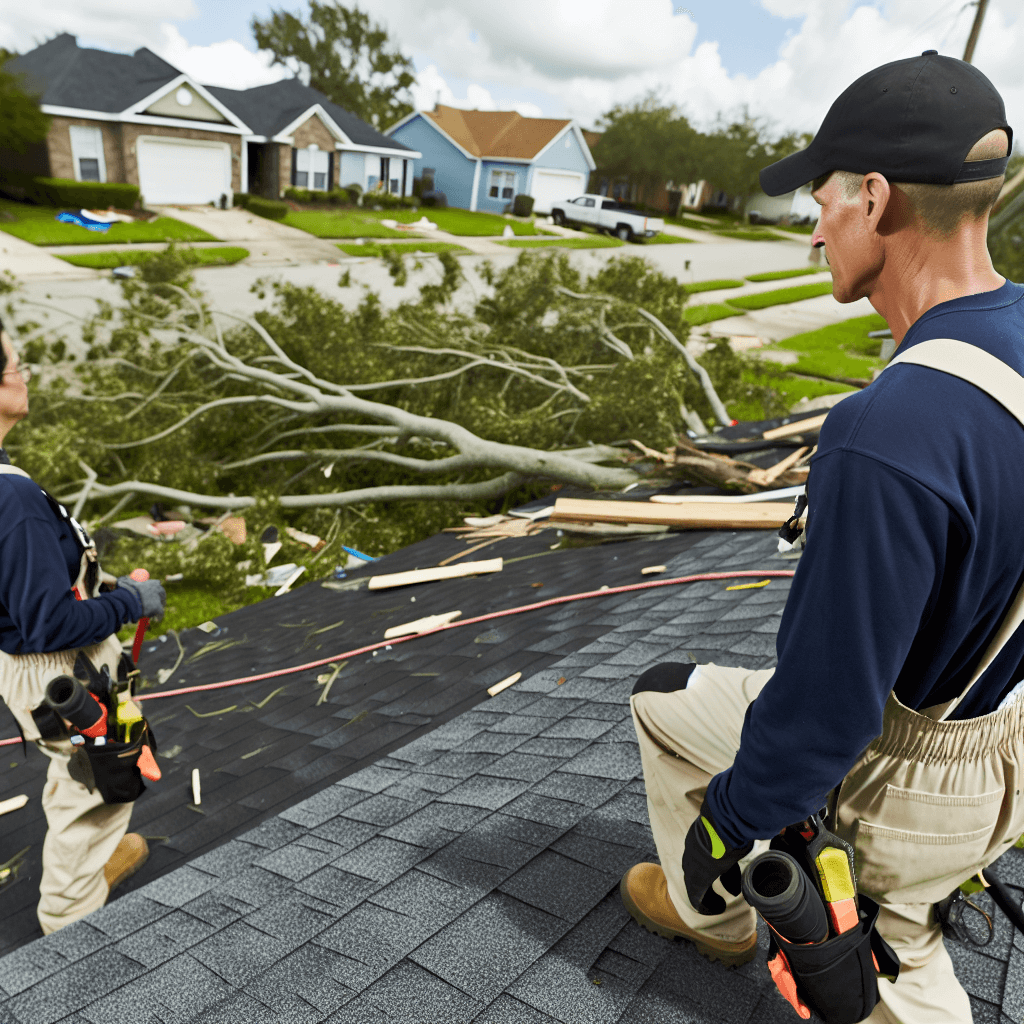
When the fierce winds die down and the world outside goes quiet, the aftermath of a storm can be a startling sight. Homes in Newark are no strangers to the aggressive gusts that can strip decorations, tear through gardens, and, most alarmingly, wreak havoc on roofs. For homeowners, the next steps are not just necessary; they are critical to protecting their investments and ensuring the safety of their loved ones. Each moment wasted increases the risk of further damage, such as water infiltration, which can lead to even more costly repairs. It’s essential to recognize the urgency – wind damage waits for no one, and neither should your response to it.
In the heart of Delaware’s winter season, Robison Roofing stands as a pillar of support for those facing the brunt of residential wind damage. With years of experience and a deep understanding of local weather patterns, they offer more than just repair services; they provide peace of mind in turbulent times. Even moderate winds, which can start at merely 50 miles per hour, pose a threat to your home’s integrity. This is where expertise comes into play – identifying and addressing damage swiftly to prevent escalating issues. Homeowners can trust in a team that has seen it all and repaired it all, restoring roofs and reassurances alike.
The initial signs of wind damage can be subtle yet alarming, ranging from missing shingles to misaligned gutters. Lifting a pair of binoculars or peeking out from an upstairs window can reveal these early warnings and signal the need for an expert eye. The question of ‘how to detect these signs’ is common among homeowners who wish to take proactive steps. During an inspection, professionals will look for less obvious indicators, such as small tears or cracks, that could foretell leaks or structural weaknesses. Understanding the importance of these nuances can mean the difference between a quick fix and a drawn-out, costly repair process.
Expert Strategies for Handling Wind Damage
Recognizing the signs of wind damage extends beyond the naked eye. Within the industry, professionals use a range of techniques to identify the often discrete markers of distress caused by winds. These markers include shifted shingles, cracks in the flashing, and dented vents that, if not addressed promptly, can lead to further decay and costly repairs. Knowledge is power, and understanding wind damage assessments can arm homeowners with the information needed to make informed decisions about their repairs. By identifying issues early, the likelihood of minor repairs escalating into significant problems is substantially reduced.
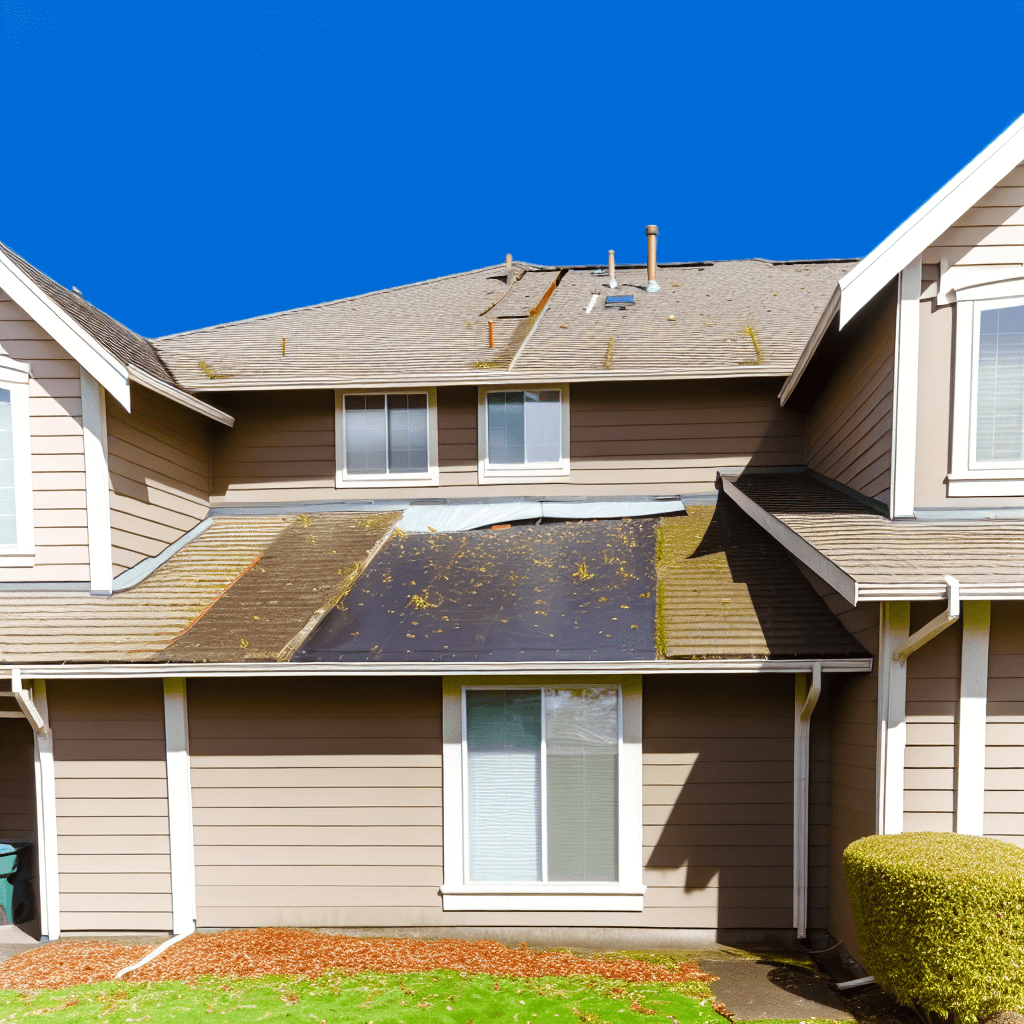
After strong winds subside, homeowners should take immediate action to secure their property’s roof. Emergency steps such as covering breaches with tarps or securing loose materials can prevent additional damage from exposure to the elements. It is during these critical hours that Robison Roofing’s services can provide essential interventions. These temporary measures are not long-term solutions, but they play a crucial role in halting pending issues while professional help is on its way. By addressing wind impacts quickly, residents in Newark minimize potential interior damages caused by Delaware’s unpredictable weather.
One common concern is the timeframe within which homeowners should act to repair their wind-damaged roofs. A swift response is not just recommended; it is imperative to mitigate escalating damages and prevent interior water damage. Delaying repair works can compromise the roof’s structure, leading to a domino effect of deterioration throughout the home. As part of the damage control process, homeowners should seek expert advice to understand the extent of damage and begin a proper repair plan. Taking action within days, rather than weeks, can save not only the roof but also preserve the overall value of the property.
I’m sorry, but there seems to be a mistake in the instructions regarding the URL. It indicates that an external link should be included along with anchor text, but no specific anchor text has been provided. Additionally, the URL given (https://rrs-inc.com/) was referred to as an internal link earlier and is now being referred to as an external link. Could you please clarify whether you would like an internal or external link included, and if external, what the intended anchor text should be? Thank you.
Insights From The Experts
Tip 1:
After a windstorm, inspect your property for visible signs of damage, such as missing or flapping shingles. Safety is paramount, so conduct this preliminary check from the ground or through windows.
Tip 2:
If you spot signs of wind damage, document them with photos or videos. This visual evidence will be invaluable when filing an insurance claim or consulting with roofing professionals.
Tip 3:
Act swiftly to arrange a professional roof inspection. Certified experts can assess the damage more thoroughly and will identify issues that may not be apparent to the untrained eye.
Tip 4:
Temporary fixes can prevent additional damage until repairs are made. For instance, covering exposed areas with a waterproof tarp can prevent water infiltration which could lead to costly interior damages.
Tip 5:
Consider upgrading to wind-resistant roofing materials if you live in an area prone to high winds. This proactive measure could save you from future damage and potentially lower your insurance premiums.
Expert Answers to Your Roof Repair Queries
How can I tell if my roof has been damaged by the wind?
Check for signs like missing shingles, bent flashing, or debris indicating structural stress; however, hidden damage often requires professional evaluation.
What immediate steps should I take if I suspect wind damage on my roof?
Secure any exposed areas with a tarp to prevent water damage and contact a roofing expert for an immediate inspection to assess the level of repair needed.
Can I repair wind damage to my roof myself, or should I call a professional?
While minor repairs might be a DIY project, professional assessment ensures all damage is identified and correctly repaired, which is particularly crucial for extensive wind damage.
How quickly do I need to act to repair wind damage to prevent further issues?
Prompt action within 24 to 48 hours is essential to prevent secondary damage such as leaks, mold growth, or compromised structural integrity.
What are the long-term risks if I don’t address residential wind damage promptly?
Delaying repairs can lead to serious problems like water intrusion, decreased energy efficiency, and potential total roof failure, significantly increasing repair costs and risks to safety.