Don’t Wait for the Storm: Why Your Roof Needs Urgent Attention
The forecast is clear: when a hurricane strikes, unprepared homes bear the brunt of nature’s fury. Your roof, the primary shield protecting your family and possessions, is at the front line. With hurricane season looming, the time to act is now. Loose shingles, clogged gutters, and brittle seals become critical vulnerabilities in the face of howling winds and torrential rains. Ignoring these warning signs could mean catastrophic damage that could have been averted with timely action.
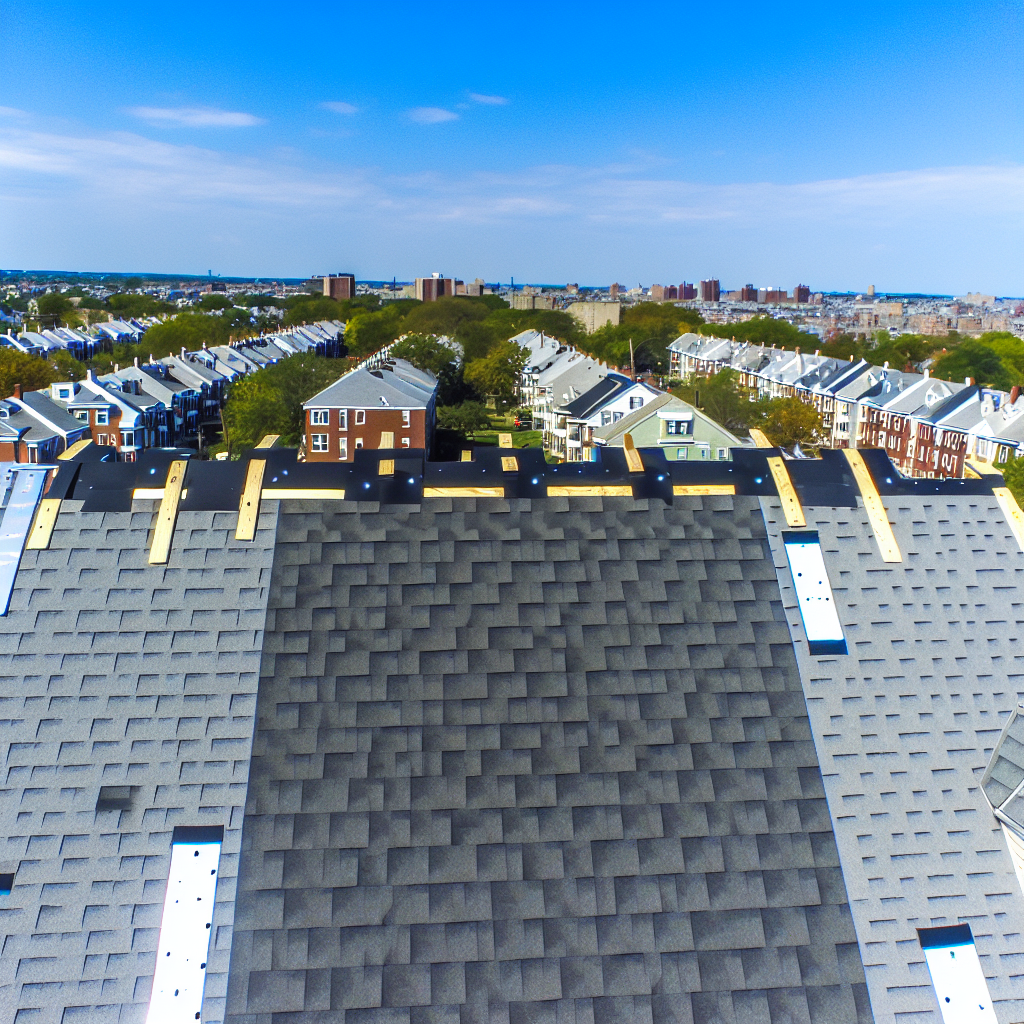
As residents of Philadelphia brace for the unpredictable rage of hurricane season, the integrity of their roofing should be top-of-mind. Yet, many overlook this critical aspect of home maintenance until it’s too late. Hurricane roof preparedness is not just about installing the best materials; it’s about understanding the specific threats and taking preemptive steps to mitigate them. It’s essential to identify and repair potential weak spots that could compromise your roof’s resilience, ensuring it stands firm even as the storm rages outside.
What many may not know is that the majority of hurricane-related roof damage stems from powerful winds able to rip apart even the most seemingly secure roofs. This is why it’s vital to reinforce your home with measures designed to withstand the fierce gales. By doing so, not only is the immediate threat reduced, but you’re also setting up your property to avoid exorbitant repair costs in the future. Preparing for the hurricane season isn’t just about protecting your home—it’s a wise financial decision.
Remember, every preparation today safeguards your peace of mind tomorrow. Don’t let procrastination leave you vulnerable when the skies darken and the winds rise. Take the initiative, secure your home, and stand strong against the storm.
Understanding the Risks and Reinforcements
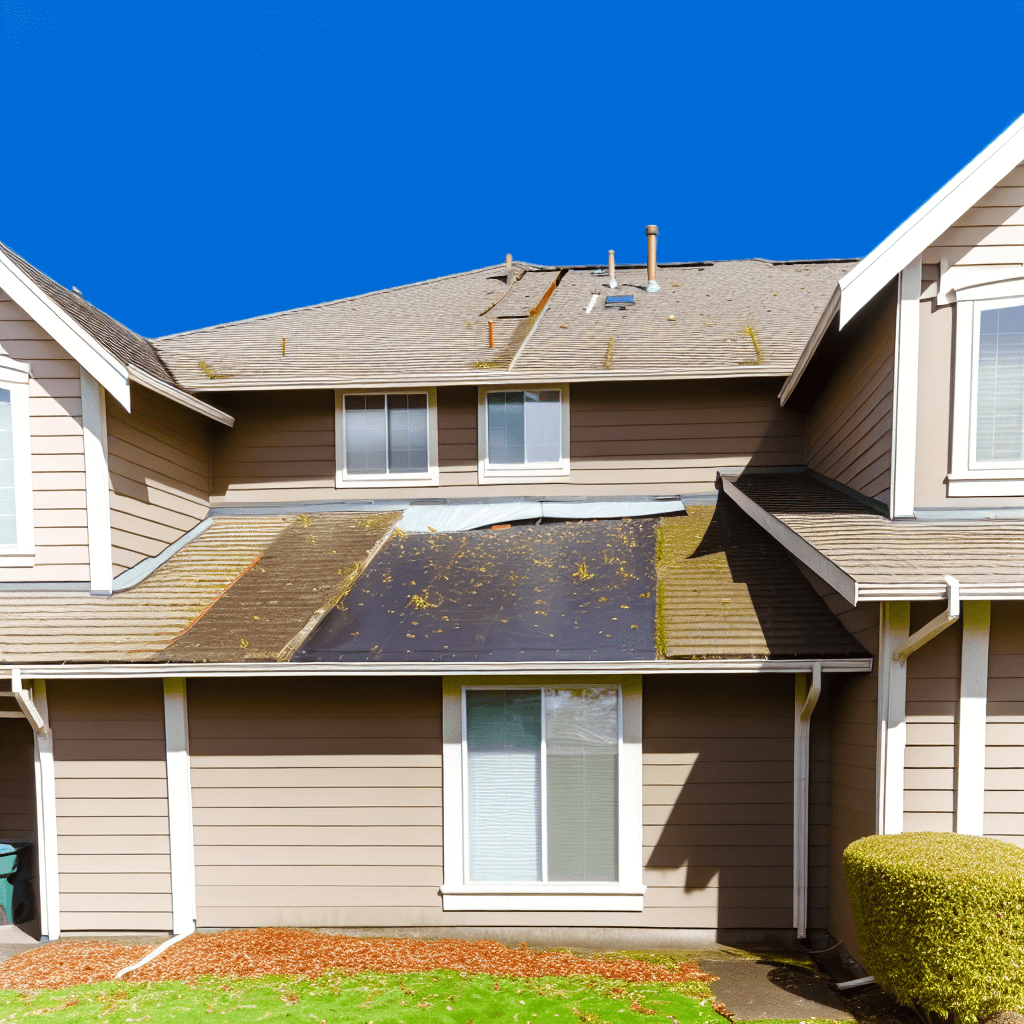
It might seem like a distant concern, but the possibility of a hurricane striking and the subsequent need for roof repairs can be a harsh reality for many homeowners. A simple examination of your roof’s current state can reveal a lot about its chances against a fierce storm. Is it properly sealed and watertight? Are your shingles secured against forceful winds that prey upon the smallest areas of neglect? These questions underscore the importance of a thorough roof inspection, a step that is not to be taken lightly or overlooked.
The materials you choose for your roof matter more than you may realize, especially when faced with potentially destructive weather conditions. Modern advancements in roofing technology offer materials that can endure the severe punishment that hurricanes bring. From high-grade metal options to advanced synthetic shingles, selecting the appropriate material is a significant decision. This is a time when investing in top-quality materials isn’t just a preference—it’s a necessary protection against the omnipresent threat of nature’s unpredictability.
Focusing on the nuts and bolts of roofing doesn’t end with the surface material, as every supporting element beneath plays a crucial role in overall resilience. Your roof is a system, and each component—be it underlayment, decking, fastening mechanisms—must be geared towards resisting the powerful updrafts that hurricanes bring. Expert installation and maintenance are the pillars of storm-proofing efforts; this is where precision and experience come together to create a roof that not only shelters but also withstands. With the knowledge that a single storm can impose costs running into the tens of thousands, this preparation becomes not just a measure of safety, but also a sound economic strategy to prevent future financial strain.
Securing Against the Storm: Tips for Reinforcement
Implementing sturdy fixtures such as hurricane straps can exponentially increase your roof’s ability to combat the uplift effect of high winds. The installation of such measures is a craft that requires expertise. It’s not solely about nailing down materials correctly but ensuring they are part of a cohesive defense system that covers the entire scope of your roof. Further, preventative interventions like these are not just a one-time event—they necessitate routine check-ups to maintain their effectiveness and ultimately, your home’s safety.
Lastly, do not neglect the smaller aspects of roof maintenance. Regular clearing of gutters and downspouts can significantly enhance your roof’s capability to handle heavy rains, which is often an underestimated cause of damage during hurricanes. Likewise, properly trimmed trees and secured yard items are crucial for minimizing risks. Understanding and acting upon these details translate into a more fortified dwelling—a place where you can ride out a hurricane with peace rather than panic.
Final Thoughts: Proactivity Leads to Resilience
The cornerstone of a hurricane-ready home is a roof that’s been given due diligence. Rather than waiting for a forecast to send you scrambling, take control with regular, comprehensive check-ups. Inspections by qualified professionals can uncover hidden issues that might otherwise go unnoticed until disaster exposes them. Establishing a routine of care for your roof not only reinforces its structure but also solidifies your confidence in its reliability when severe weather strikes. It’s the difference between sleepless nights during storm season and the comfort of knowing you’ve done everything in your power to protect your home.
Beyond just personal preparedness, community awareness is equally vital. Neighbors sharing knowledge and resources can embody a collective strength, benefiting all when the gales arrive. Start conversations, recommend services, and support one another in measures such as securing hurricane-resilient siding from trusted providers. This level of neighborhood collaboration can make the difference in weathering the storm safely and could potentially save roofs and more importantly, lives.
As we wrap up our discussion, it’s imperative to remember that while storms are natural events, the devastation they leave behind doesn’t have to be a given. With advanced planning, committed maintenance, and professional advice, you can considerably minimize your risk. Should the unexpected occur, knowing whom to turn to for repairs is crucial. Don’t hesitate to seek out established experts for your roofing needs. Your home is more than a structure; it’s your sanctuary, and its defense against the elements starts at the top.
Insights From The Experts
Tip 1:
Before hurricane season arrives, schedule a professional roof inspection to ensure everything is secure. Small issues can escalate during a storm, so addressing them early can be crucial for protecting your property.
Tip 2:
Consider upgrading your roof with impact-resistant shingles or tiles. These materials are designed to withstand the severe force of flying debris and high winds, offering an additional layer of defense against the elements.
Tip 3:
Trim trees and remove any dead branches around your property well before a hurricane threat. Overhanging limbs can break and cause significant damage to your roof during a storm.
Tip 4:
Regularly clean your gutters and downspouts. Proper drainage is essential during heavy rainfalls, and clogged systems can cause water to back up under your shingles, risking leaks and water damage.
Tip 5:
After any hurricane or severe weather, inspect your roof for damages, or hire a professional to assess any possible hidden issues. Early detection of leaks or structural damage can save you from costly repairs in the future.
Expert Answers to Your Top Roofing Concerns
How can I tell if my roof is at risk during a hurricane?
A roof at risk will often show signs like loose or missing shingles, worn sealant, and clogged gutters. It’s best to get a professional inspection for an accurate assessment.
What are the best materials to use for storm-proofing my roof?
Impact-resistant shingles, metal roofing, and modified bitumen for flat roofs are among the most durable materials for withstanding hurricanes.
Are there any quick checks I can do to assess my roof’s hurricane readiness?
Check for loose materials, clear gutters and downspouts, ensure seals and flashing are intact, and that no shingles are curled or lifting.
How often should I have my roof inspected for hurricane preparedness?
A professional roof inspection should be conducted at least once a year, ideally before hurricane season begins.
What immediate steps should I take if my roof is damaged after a hurricane?
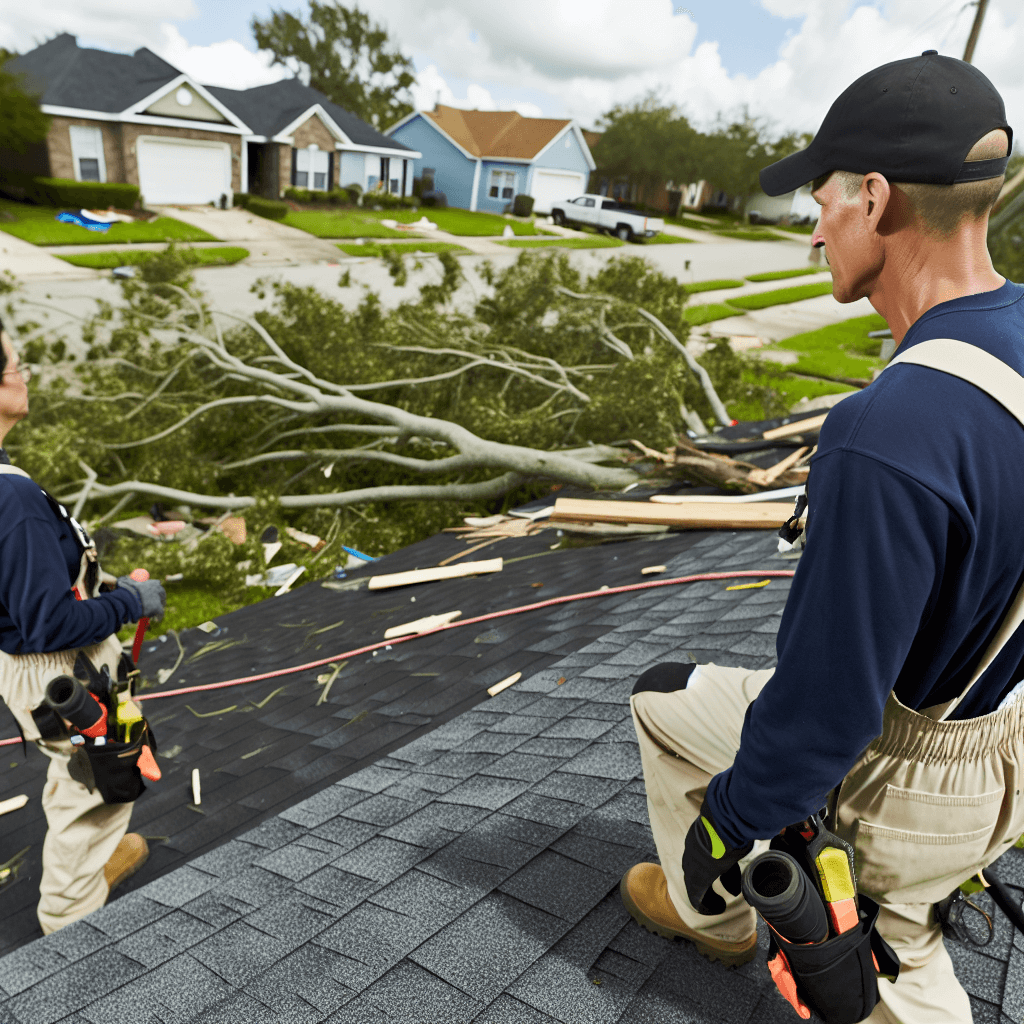
Quickly photograph the damage for insurance purposes, then use tarps to temporarily prevent further water damage before professional repairs are made.