• Discover practical steps to improve commercial roofing energy efficiency, reducing costs and environmental impact.
• Learn about common pitfalls in roofing maintenance and material choice, and how to avoid them for better energy conservation.
• Find out why professional assessments and solutions lead to better long-term savings and sustainability for your commercial property.
Recognizing Signs of Inefficiency in Your Commercial Roof
When it comes to ensuring the energy efficiency of commercial roofing, understanding the signs that indicate a lack of efficiency is crucial. If you’ve noticed a spike in your building’s energy bills, it could be a signal that your roof is not performing optimally. Aging roofs or those that haven’t been inspected recently can develop subtle faults that lead to significant thermal energy loss. It’s essential to be vigilant about changes in indoor temperature, as drafts or inconsistent heating could point toward deteriorated insulation or other roofing flaws.
Assessing the Impact of Roof Condition and Insulation
The condition of your commercial roof goes hand-in-hand with its energy performance. A roof that’s seen many seasons may exhibit wear and tear that compromises its energy-saving capabilities. Take note of the current state of your roofing materials; they should be intact, without any lifting or warping that could allow heat to escape. Also, if the existing insulation seems inadequate, or if there’s been water damage, it’s likely time to consider a comprehensive assessment and upgrade.
The Consequence of Neglecting Roof Maintenance
Neglecting regular roof maintenance not only affects the longevity of the roof but also impacts the energy efficiency of the building. Small issues, such as clogged drainage or minor leaks, can evolve into serious problems that hamper the roof’s ability to retain energy. Regular inspections are key to catching these problems early on, ensuring not just a secure roof over your head but one that supports your efforts to practice energy conservation. Keeping up with a maintenance schedule is as vital for energy efficiency as it is for the integrity of the roof itself.
Choosing Materials for Enhanced Energy Efficiency
Selecting the right materials is a pivotal step towards achieving commercial roofing energy efficiency. With a plethora of roofing materials available, it’s essential to focus on those with the best thermal resistance, known as R-values. Higher R-values indicate more effective insulation properties, leading to greater energy savings. These materials, coupled with reflective properties to ward off solar heat, can drastically lower cooling requirements and costs.
Incorporating Energy-Efficient Solutions
Beyond traditional materials, innovations in roofing technology offer advanced options like cool roofing systems — designed to reflect more sunlight and absorb less heat. This is especially important in warmer seasons when HVAC systems work overtime to maintain building temperatures. An integrated approach by using materials rated with Energy Star standards can significantly reduce energy consumption. For more information on the range of materials and services that enhance roofing efficiency, consider visiting Robison Roofing’s commercial roof replacement services.
Step 1: Assess Your Commercial Roofing Needs
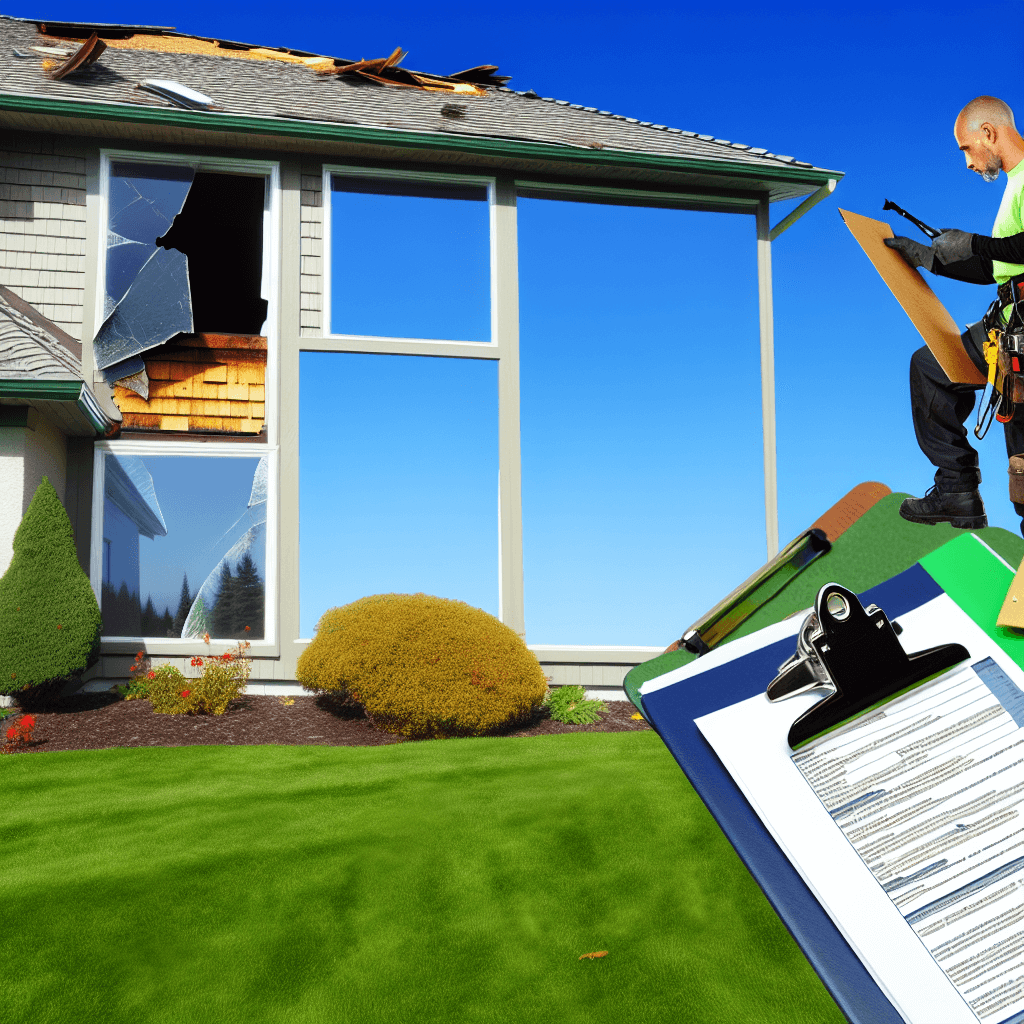
Evaluate your current commercial roofing system to understand the specific requirements for improving energy efficiency. Consider factors such as roof age, condition, and existing insulation levels.
Step 2: Choose Energy-Efficient Materials
Research and select roofing materials that enhance energy efficiency. Look for materials with high R-values, reflectivity properties, and Energy Star ratings.
Step 3: Install Proper Insulation
Ensure that high-quality insulation is installed beneath your roofing system to reduce heat loss during colder months and keep the building cool in warmer weather.
Step 4: Implement a Maintenance Routine
Establish a regular maintenance schedule to inspect and repair your commercial roof, which can prevent energy loss due to damages or wear and tear.
Step 5: Consider a Cool Roof Coating
Apply a cool roof coating that reflects sunlight and absorbs less heat, reducing the energy needed to cool the building.
Step 6: Upgrade to an Energy-Efficient Drainage System
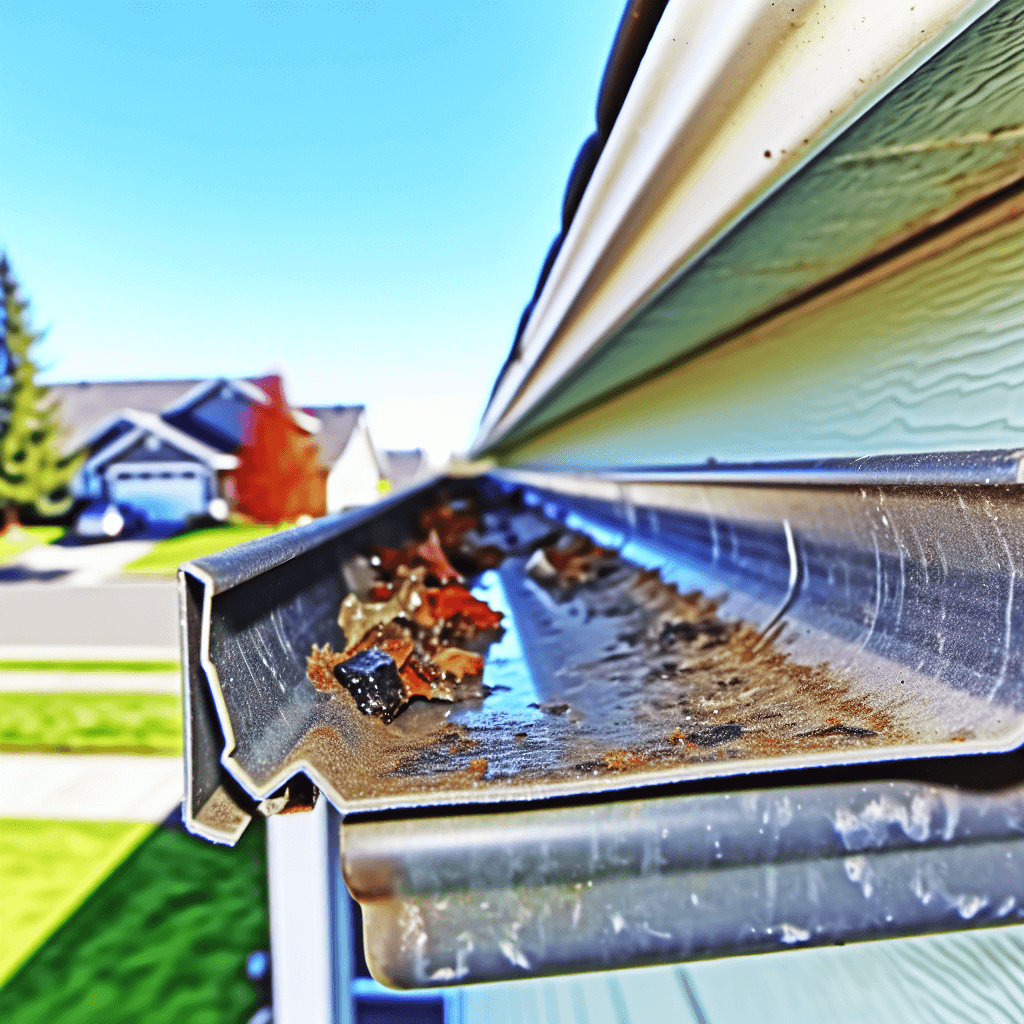
Optimize your roof’s drainage system to ensure it is energy efficient, contributes to temperature control, and prevents water accumulation that can affect insulation.
Step 7: Incorporate Renewable Energy Solutions
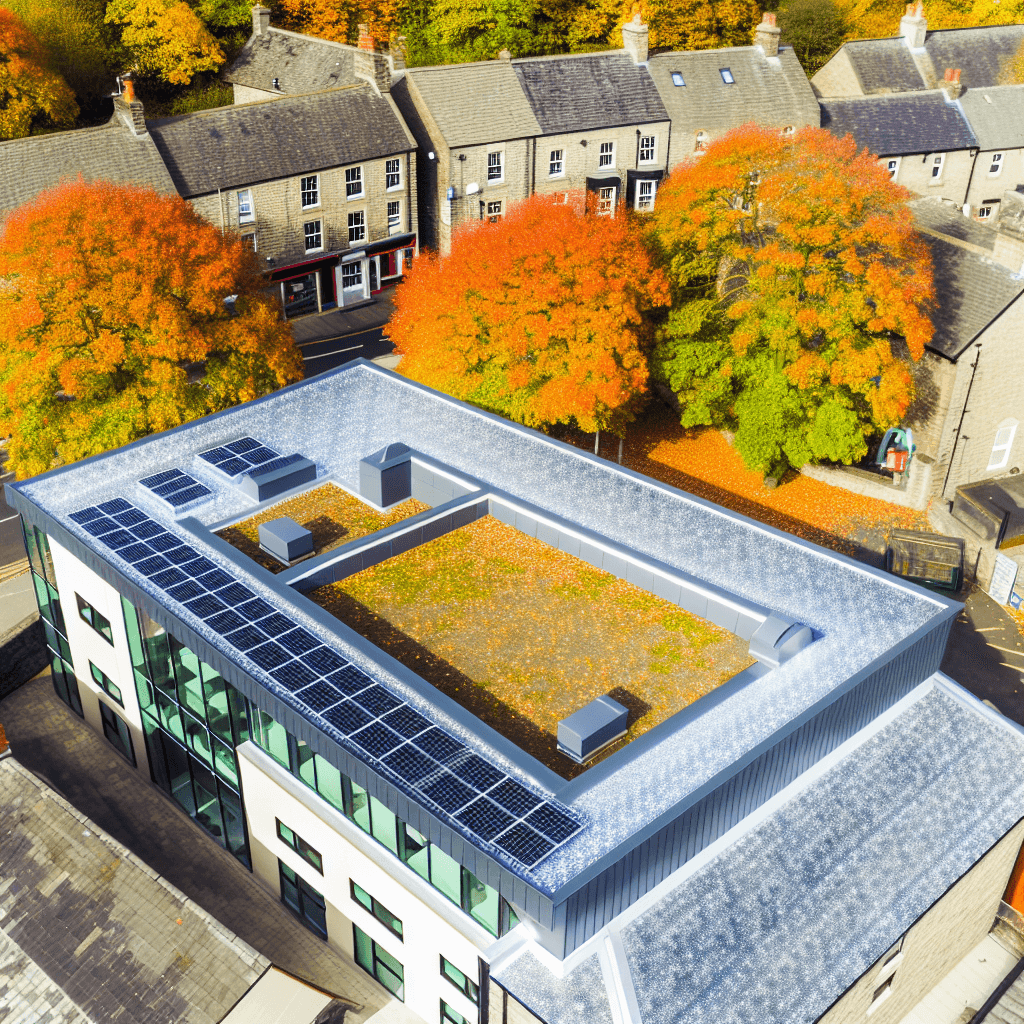
Explore options such as installing solar panels on your commercial roof to generate green energy and further maximize energy efficiency.
Step 8: Review and Audit Energy Usage
Conduct an energy audit post-implementation to measure the improvements in energy efficiency and identify any additional adjustments needed for optimal performance.
Common Mistakes to Avoid in Commercial Roofing for Energy Efficiency
When trying to enhance the energy efficiency of a commercial roof, even well-intentioned businesses can make costly errors. Focusing too much on upfront costs may lead to subpar materials and overlooked maintenance routines that cost more in the long run. Understanding these frequent missteps is crucial in ensuring that your efforts in improving your roofing efficacy are not in vain.
Mistake 1: Ignoring Signs of Wear and Age
– Omitting routine inspections can cause minor issues to become larger problems.
– It’s essential to address wear and age signs before they negatively impact your roof’s energy efficiency.
Mistake 2: Selecting Materials Based Solely on Price
– Choosing cheaper, lower quality materials can seem like savings, yet they might not provide the necessary energy efficiency and can lead to higher costs over time.
– Investing in materials with proven R-values and Energy Star ratings is vital for long-term savings and efficiency.
Mistake 3: Inadequate Insulation
– Skimping on insulation can be one of the biggest oversights in commercial roofing.
– Well-installed, high-quality insulation is a non-negotiable for maintaining desired temperatures and reducing energy bills.
Mistake 4: Overlooking Regular Maintenance
– Deferring necessary repairs and inspections can lead to unexpected breakdowns and energy waste.
– A consistent maintenance routine can catch and resolve small issues before they escalate into costlier ones.
Mistake 5: Forgoing Professional Audits
– Concluding that self-assessments are sufficient might mean missing critical efficiency issues.
– Professional energy audits can provide insights and solutions that are not always apparent to the untrained eye.
Insulation: A Key Factor in Energy Efficiency
Proper insulation is the cornerstone of energy-efficient commercial roofing. It acts as a barrier against heat flow, keeping warm air out during summer and trapping warmth during winter. To ensure your commercial property benefits from reduced thermal transfer, upgrading insulation to meet current standards is a strategic investment.
Implementing a Preventative Maintenance Routine
Establishing a comprehensive maintenance schedule is critical to maintaining the integrity and efficiency of your roof. Regular inspections can identify potential issues before they escalate, preserving the energy-conserving properties of your roofing system. For detailed inspection and maintenance services, see Robison Roofing’s maintenance offerings to keep your commercial roof in peak condition.