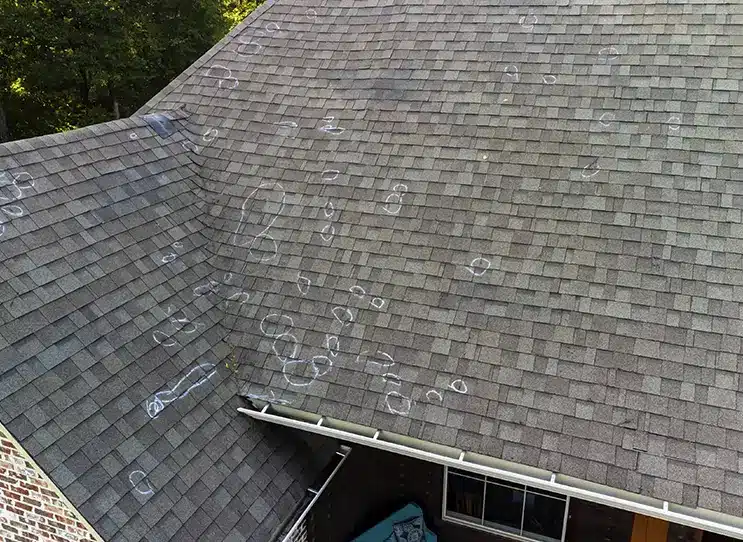
Flashing is thin metal material installed at roof joints, valleys, and around chimneys, vents, and skylights to prevent water penetration. Properly installed and maintained flashing creates a waterproof barrier at vulnerable transition points. During routine maintenance, inspecting flashing for rust, cracks, or separation is critical, as damaged flashing is one of the most common sources of roof leaks and water damage.
Roof decking, also called sheathing, is the wooden foundation layer installed over your roof’s structural framing that supports your roofing materials. Typically made from plywood or oriented strand board (OSB), the decking provides the base for underlayment and shingles. Regular maintenance helps identify signs of decking deterioration, such as sagging or water stains, before they compromise your entire roofing system.
Underlayment is a water-resistant or waterproof barrier installed directly onto roof decking before the final roofing material. This protective layer serves as a secondary defense against moisture infiltration if shingles or tiles are damaged. During maintenance assessments, professionals check that underlayment remains intact and functional, particularly around penetrations and high-exposure areas where deterioration occurs first.
Roof pitch refers to the steepness or slope of your roof, typically expressed as a ratio of vertical rise to horizontal run. Pitch affects water drainage efficiency, material selection, and maintenance requirements—steeper roofs shed water and debris more effectively but may require specialized safety equipment for inspections. Understanding your roof’s pitch helps you anticipate maintenance needs and associated costs.
Granule loss describes the shedding of protective ceramic granules embedded in asphalt shingles. These granules shield shingles from UV rays and weather damage. Excessive granule loss, visible as bare spots on shingles or accumulation in gutters, indicates shingle deterioration and reduced weather resistance. Regular maintenance inspections identify granule loss early, helping you plan for repairs or replacement before leaks develop.
Roof ventilation is the system of intake and exhaust vents that allows air circulation through your attic space. Proper ventilation regulates temperature, prevents moisture buildup, and extends roof lifespan by reducing heat damage and ice dam formation. Maintenance includes ensuring vents remain unobstructed by debris, insulation, or nesting animals, as blocked ventilation accelerates shingle deterioration and increases energy costs.
An ice dam is a ridge of ice that forms at roof edges, preventing melting snow from draining properly. Ice dams develop when heat loss through your roof melts snow, which then refreezes at colder eaves, creating a dam that forces water under shingles. Preventive maintenance—including attic insulation checks, ventilation assessment, and gutter cleaning—helps Philadelphia homeowners avoid ice dam damage during harsh winter months.
A roof valley is the V-shaped angle formed where two roof slopes meet, creating a channel that funnels water toward gutters. Valleys experience concentrated water flow and debris accumulation, making them vulnerable to leaks if not properly maintained. Regular inspections ensure valley flashing remains secure and that debris doesn’t obstruct water flow, preventing overflow and potential water intrusion into your home.