Here are three bullet-point summaries for the blog, arranged to meet the prescribed criteria:
• Step-by-step guide to effectively appeal an insurance claim denial, simplifying the process for claimants.
• Proven strategies to increase the chances of overturning an insurance company’s decision, highlighting the importance of persistence and documentation.
• Insights into seeking professional assistance to navigate complex insurance disputes, emphasizing the benefits of expert advice.
Recognizing Early Warning Signs
When dealing with an insurance claim, the first red flag often comes in the form of a denial letter that catches you off guard. This letter, usually full of industry jargon, can leave you feeling confused and overwhelmed. A critical sign to watch for is a vague explanation or generic reasons given for the denial, which may indicate a need for further clarity. Another problematic sign is if the denial references sections of your policy that don’t seem to correspond to your specific situation or if terms are interpreted in a way that appears unfair.
Gathering Your Evidence
It’s essential to react promptly by assembling all pertinent evidence following a denial. Often, claims are denied due to a lack of sufficient documentation, so a well-organized collection of documents can be your strongest ally. Look for gaps in your submitted evidence and be ready to fill them with additional information. Ensure that your gathered materials reflect the entire narrative of your claim, as incomplete stories can result in an unfavorable outcome.
Understanding the Grounds for Denial
Understanding the insurance company’s reasons for denying your claim is vital in formulating your response. Scrutinize the denial letter for specific wording used and match it against your policy’s terms. If reasons provided seem misaligned with your understanding, this could be a matter to contest. Clear identification of every point of contention will lay a solid foundation for the appealing steps that follow, such as appeals for insurance claim denial.
Contacting a Roofing Expert
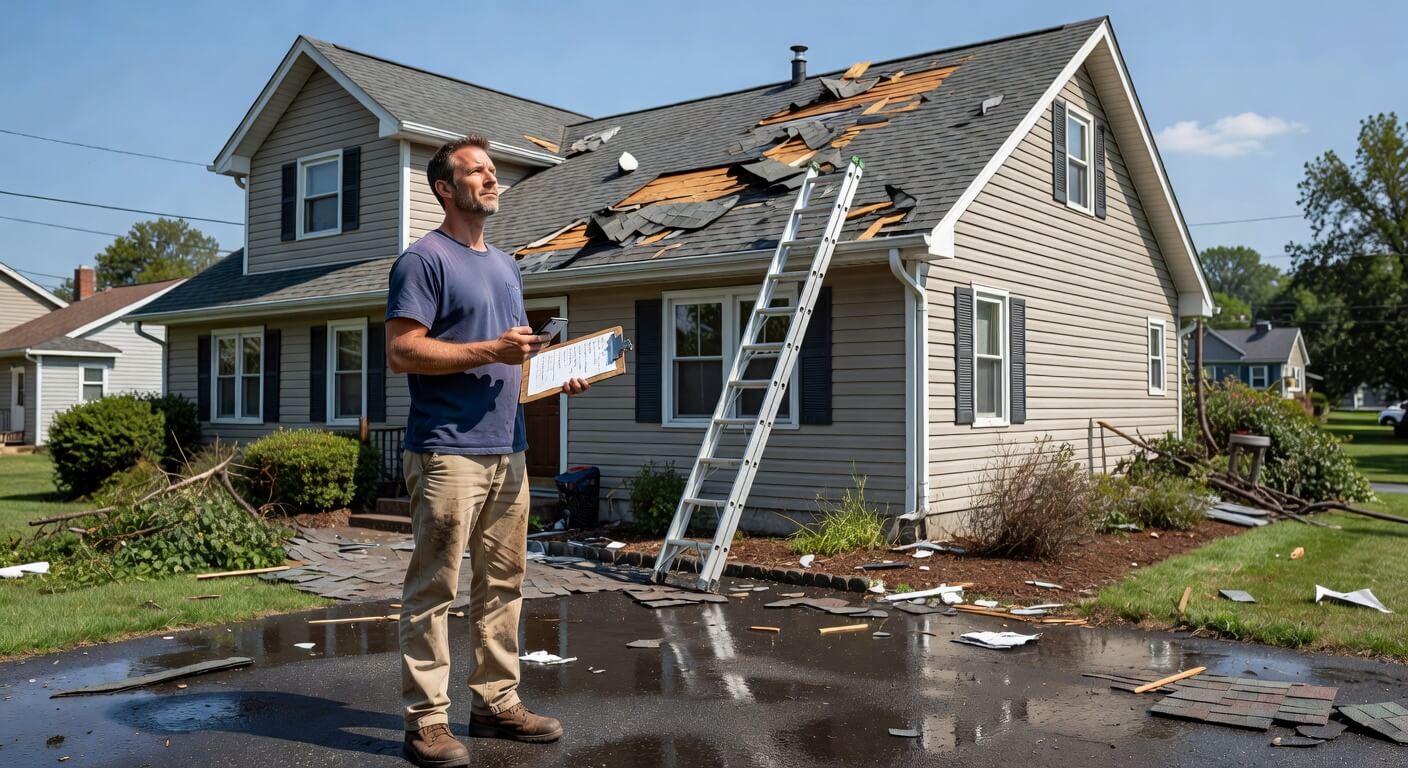
When contesting an insurance claim denial, especially one concerning roofing issues, it’s critical to bring a professional into the equation. A certified roofing expert can provide an unbiased assessment that may challenge the insurer’s decision. Their specialized knowledge and on-site diagnosis could uncover evidence that supports the legitimacy of your claim. This expert opinion can serve as a powerful component of your appeal, often influencing the insurer’s stance on the matter.
Writing a Compelling Appeal
Crafting an appeal letter is your opportunity to present a clear and concise argument against the insurance denial. Each point of discrepancy should be addressed methodically and with precision, referencing specific policy language and evidence gathered. It’s crucial to maintain a professional and respectful tone, avoiding emotive language that could detract from the factual basis of your appeal. Assistance from experts at Robison Roofing Services, Inc. can also strengthen your appeal by providing clear evidence of the extent of your roofing damage.
Step 1: Review Your Policy
Begin by thoroughly reviewing your insurance policy to understand your coverage, exclusions, and the company’s reasons for denying your claim. Knowing the details will help you identify discrepancies or misunderstandings in your denial.
Step 2: Collect Documentation
Gather all relevant documents, such as your insurance policy, correspondence with the insurance company, and any evidence such as photos or receipts related to your claim. Organize them in chronological order for easy reference.
Step 3: Understand the Denial
Examine the denial letter for specific reasons your claim was rejected. The language might be nuanced, so it’s important to comprehend the insurer’s justification to effectively counter it.
Step 4: Contact a Roofing Expert
If your claim involves roofing damages, consult with a roofing expert like Robison Roofing Services, Inc. to assess the damage and provide a professional opinion, which can strengthen your appeal.
Step 5: Write a Detailed Appeal Letter
Compose a formal appeal letter stating your case clearly. Reference your policy and the documentation you’ve collected. Be sure to dispute each point of contention specifically and respectfully.
Step 6: Follow the Appeal Process
Submit your appeal according to the insurer’s guidelines. This may involve sending it through a particular channel or format, and by a certain deadline. Ensure you follow these instructions meticulously.
Step 7: Negotiate with Your Insurer
Be prepared to discuss your case with your insurance adjuster or a claims representative. Stay calm, stick to the facts, and be ready to negotiate if necessary.
Step 8: Seek Professional Advice if Needed
If your appeal does not go as hoped, consider consulting a professional such as an insurance claims attorney. They can provide expertise and negotiate on your behalf or advise on further actions like arbitration or litigation.
Common Mistakes to Avoid During the Appeals Process
When navigating the treacherous waters of an insurance claim appeal, it’s critical to avoid common pitfalls that can compromise the process. Incorrectly handled, these mistakes can lead to a reinforced denial of your claim, further frustration, and potentially lost coverage. Understanding these errors is the best first step in ensuring your appeal is structured for success and not marred by preventable setbacks.
Mistake 1: Not Reviewing Your Policy In Detail
Failing to thoroughly understand your insurance policy’s coverage and exclusions is a critical error. It happens often due to the complexity of insurance documents and leads to misguided appealing on points that might not be covered at all. To prevent this, dedicate time to diligently review your policy terms, preferably with the help of a professional if needed.
Mistake 2: Insufficient Documentation
A common misstep is not assembling enough evidence to substantiate your claim, resulting in an easy denial. This misstep occurs when the importance of comprehensive evidence is underestimated. Prevent it by meticulously collecting and organizing all relevant documents, photos, and correspondence related to your claim.
Mistake 3: Misinterpreting the Denial Reasons
Misunderstanding or glossing over the specific reasons for claim denial can derail your appeal. This typically happens when the policyholder doesn’t interpret the language used correctly or assumes their understanding of the claim is the same as the insurer’s. Counter this by taking time to analyze the denial letter closely, seeking clarification if needed, and responding to each point systematically.
Mistake 4: Not Seeking Expert Assessment
Neglecting to consult with a roofing expert can weaken your appeal in cases of structural damage claims. This oversight is due to a lack of awareness of the value such expertise adds. To avoid this, engage a reputable roofing expert to provide a detailed report that can solidify your appeal with tangible, expert-backed evidence.
Mistake 5: A Poorly Written Appeal Letter
The appeal will likely fail if the appeal letter is vague, lacks references to the policy, or is confrontational. This common fault arises from an emotional response to the denial or inadequate preparation. Prevent this by creating a well-structured, factual, and respectful appeal that precisely addresses the denial’s points.
Mistake 6: Ignoring the Appeals Procedure
Not following the specified appeals process can result in an automatic dismissal of your appeal. This mistake is made when individuals are either unaware of the process or overlook the importance of protocol. Ensuring strict adherence to the insurer’s outlined steps and deadlines is crucial for your appeal to be reviewed.
Navigating the Appeals Process
Submitting your appeal requires acute attention to the stipulated procedure by your insurer. It’s critical that you send your meticulously prepared appeal to the correct department and adhere strictly to the deadlines provided. This organized approach can make the difference between your appeal being considered or dismissed on a technicality.
The Importance of Clear Communication
Keeping an open line of communication with your insurer during the appeals process can facilitate a smoother experience. Be prepared for a dialogue, equip yourself with all the necessary information at hand, and engage in discussions calmly and factually. In some cases, involving professionals from Robison Roofing Services, Inc., experienced in storm damage restoration, can add to the credibility and strength of your position.