The Critical Role of Roof Flashing in Storm Protection
The wrath of a storm can leave behind a trail of destruction, but the first line of defense for your home is often unseen. Roof flashing, those critical metal pieces that seal transitions on your roof, play a pivotal role in guarding against water damage. When flashing fails, the results can be disastrous, ranging from minor leaks to significant interior damage. The wake of a storm brings the stark reminder of this vital component’s role in protecting your Allentown home. Quick action is imperative to address flashing issues before they escalate, saving you from the stress of costly repairs down the line.
Homeowners in Allentown, PA know the value of preparedness all too well—especially when winter storms loom. Since roof flashing channels water away from essential areas, it pays to be vigilant about its condition. Knowing what to look for—a telltale sign here, a damaged corner there—can be the difference between swift, effective repair and extensive water damage. As the seasons change and December’s chill signals the onset of winter, your roof flashing should be top of mind. It’s not just about fixing what’s broken; it’s about readiness and resilience against what nature might bring next.
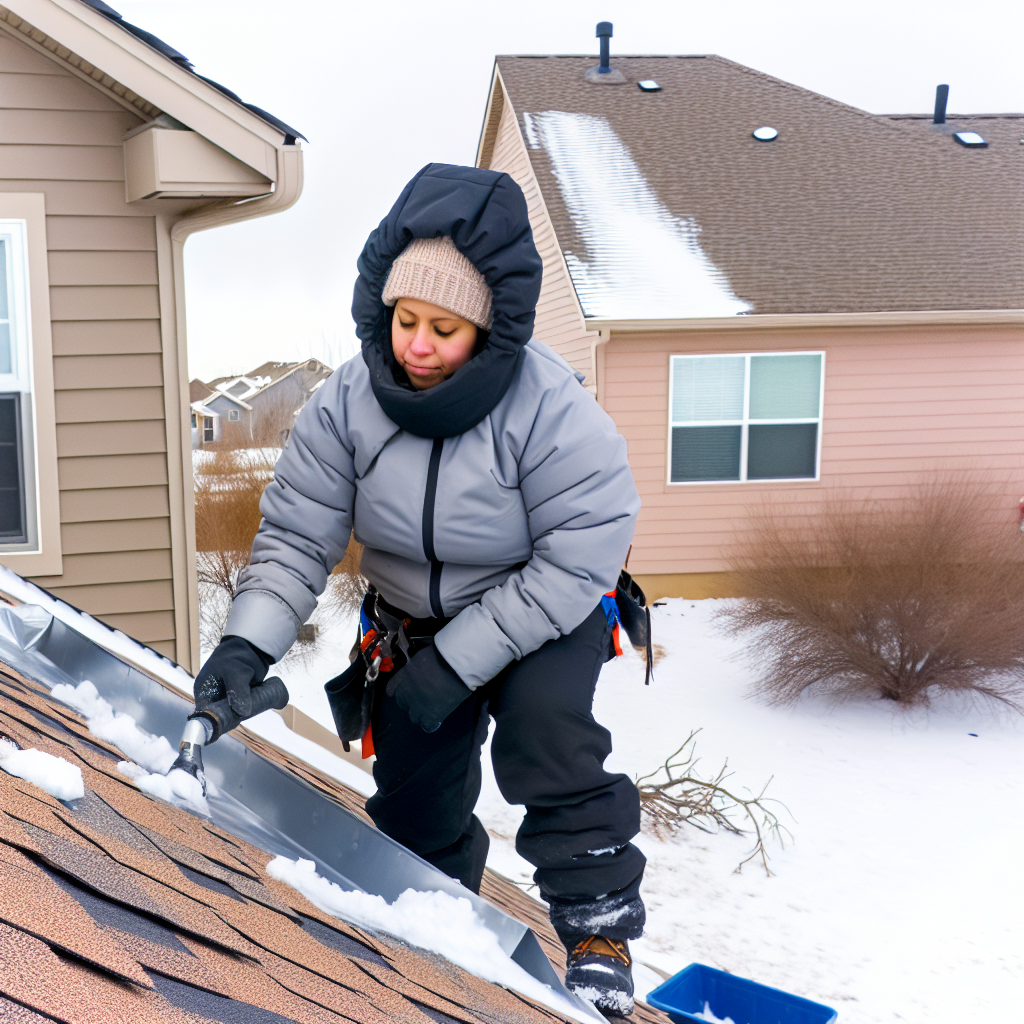
That sense of urgency carries over to every homeowner who understands the cost of inaction. While the prospect of climbing up to check your rooftop might be daunting, it’s a critical step after every storm. Minor blemishes on your flashing could foretell bigger problems, and spotting them early is a small task for peace of mind. Professionals in roof flashing repair for storms stand ready to restore your roof’s integrity, but the initiative starts with you. Don’t wait for the next storm to test the limits of your roof—take the preemptive step today to ensure your home remains a safe harbor tomorrow.
Deep Dive into Roof Flashing Know-How
Understanding the intricacies of roof flashing is vital for any homeowner, particularly in areas prone to severe weather. Roof flashing serves as the unsung hero, seamlessly integrating with shingles to deflect water away from the roof’s most vulnerable points. It’s not just metal strips laid atop your home; it’s a meticulously engineered barrier designed for maximum protection. Over time, even the sturdiest materials can succumb to the elements, making regular checks a must. Consider the last time you examined your flashing; with winter storms ahead, now might be the perfect moment for a maintenance check.
Roof flashing’s effectiveness is only as good as its installation, which is why working with specialists is essential. Storms don’t just test your roof’s strength; they challenge its resilience, and properly installed flashing can be the determining factor between a safe home and costly damages. Aging flashing may not exhibit signs of wear to the untrained eye, but experts can spot potential risks and avert disasters. This is where having an advocate in roofing professionals becomes invaluable, guiding you in preventive measures and ensuring your flashing stands the test of time. Choosing quality materials and skilled installation is not just advisable; it’s an investment in your home’s future.
Beyond the technical aspects of flashing, homeowners must also consider the financial side of storm preparation and recovery. The cost of repairing or replacing damaged flashing pales in comparison to the expenses associated with water damage to your home’s interior. Educating yourself on the typical costs and factors that influence them enables informed decisions when it comes to protecting your home. While DIY fixes might seem cost-effective, they can lead to further issues if done incorrectly; it’s a risk that could multiply your repair bills in the long run. It’s worth considering preventative measures as a hedge against storms, viewing them not as a cost, but as a safeguard of your investment.
Sealing Your Home Against the Elements
Wrapping up, it’s clear that a solid, well-maintained roof is non-negotiable for enduring the harsh Allentown winters. By now, you should understand the crucial role flashing plays in keeping your home dry and secure. Even if your roof has withstood past storms, it’s not a guarantee against future weather events. This is why proactive maintenance is a homeowner’s best strategy to avoid unexpected repair costs. Consider scheduling regular inspections to catch problems early and extend the longevity of your roof.
The decision between a DIY repair and calling in the experts should not be taken lightly. While there’s a wealth of information and tutorials available, the nuances of properly repairing roof flashing are intricate and mistakes are often costly. A professional roofer brings a discerning eye and years of experience, ensuring that repairs are not just quick fixes but lasting solutions. Investing in a specialist’s skills can save you money in the long term and provide peace of mind through the stormiest of seasons. Robison Roofing stands ready to lend their expertise for your flashing repair needs.
In conclusion, whether it’s pre-emptive maintenance or post-storm repairs, your approach to handling your roofing issues will significantly impact your home’s integrity. Reflect on the information shared here when considering your roof’s next steps. Remember, fixing a minor issue today can prevent a catastrophe tomorrow. Your home’s safety is paramount, and ensuring its defense against storms starts at the top. Take action now, and secure your sanctuary with the best roofing practices and professional care.
Expert Flashing Fixes for Storm Safety
Tip 1:
Inspect your roof flashing regularly, especially before the storm season. Quick identification of cracks or separations can prevent water intrusion and major structural issues.
Tip 2:
Choose quality materials for flashing repairs or installations. Copper and galvanized steel offer durability and are less likely to fail when you need them most during intense storms.
Tip 3:
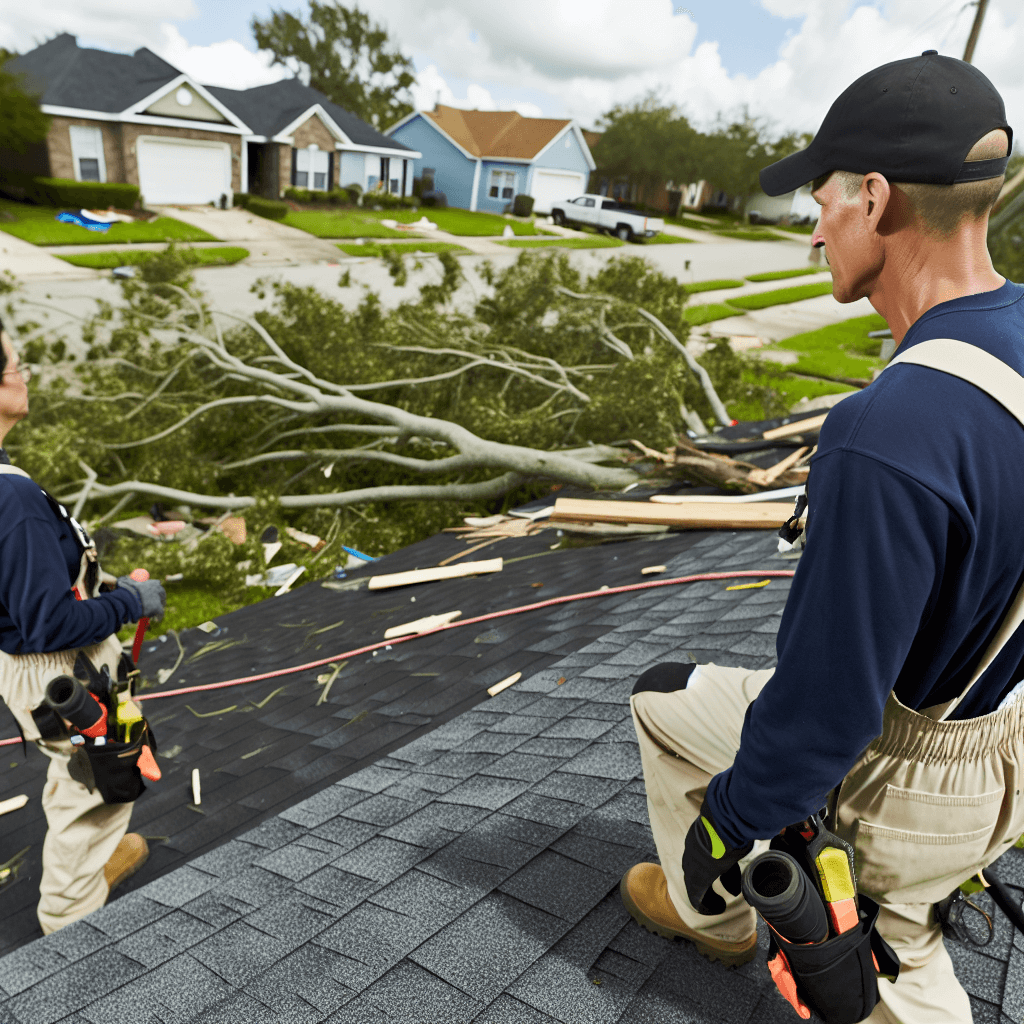
Keep trees and branches trimmed away from your roof. Falling limbs during storms can damage flashing and lead to costly repairs.
Tip 4:
Consider hiring a roofing professional for inspections and repairs. They can spot potential problems easily and address them with long-lasting solutions.
Tip 5:
After any severe weather, perform a visual check for damage. Even if the flashing appears intact, underlying issues may be present that require professional attention to ensure your home remains safe and dry.
Your Roof Flashing Repair Questions Answered
How can I tell if my roof flashing needs repair after a storm?
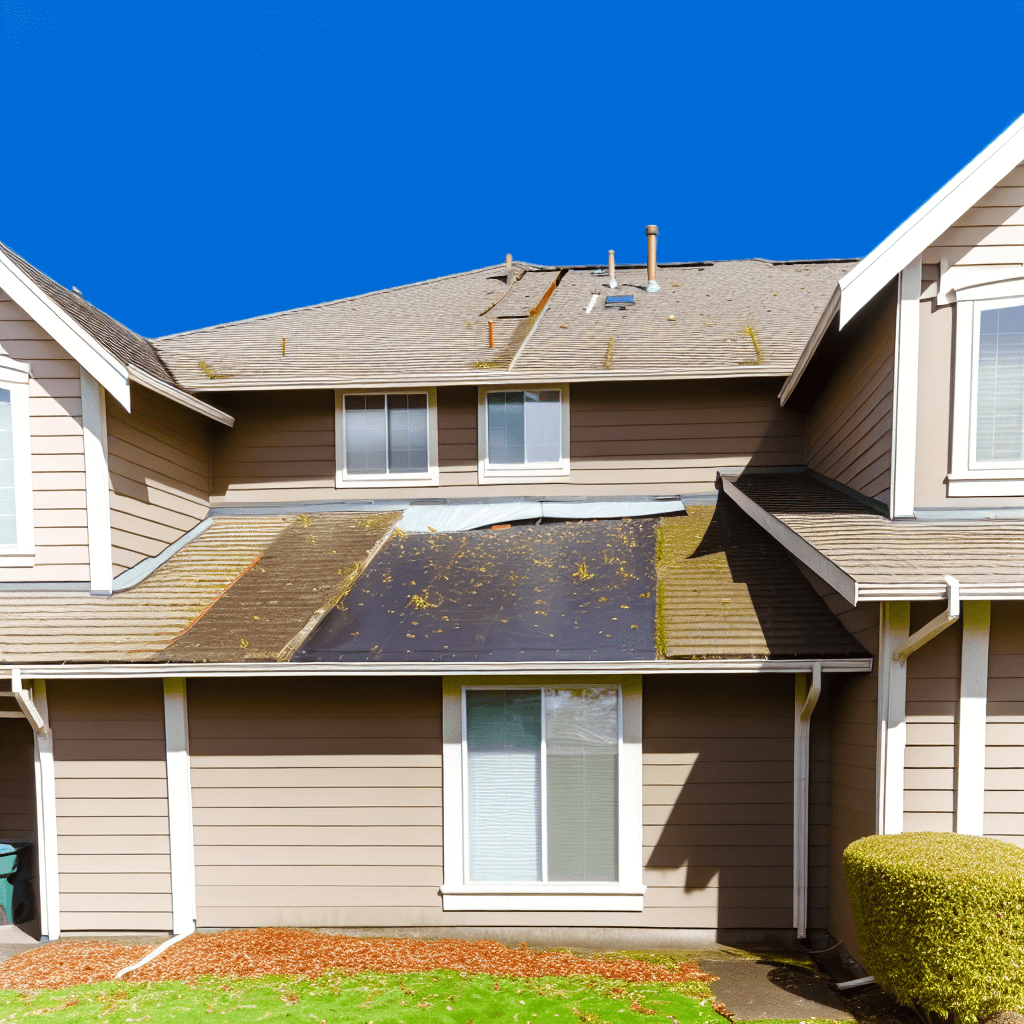
You’ll notice bent, dislodged, or corroded pieces of metal around your roof areas, such as chimneys or valleys. If you see signs of water leakage in your attic or around the ceilings, that’s a clear indicator that your flashing may need attention.
What are the typical costs associated with roof flashing repair?
Costs vary depending on the extent of damage and material, but expect to pay anywhere from a hundred to several hundred dollars for minor to moderate repairs. For extensive damage or high-end materials, costs can escalate, so it’s best to get a professional estimate.
How often should roof flashing be inspected to prevent storm damage?
Flashings should be inspected at least twice a year, ideally in the spring and fall, to ensure they’re ready to stand up against seasonal storms. It’s also wise to check after any major weather event.
Can I perform emergency roof repair on flashing myself, or should I call a professional?
Minor repairs may be a DIY job if you have the right tools and safety measures in place; however, for most flashing repairs, it’s recommended to enlist a professional to ensure it’s done correctly and safely.
What are the best materials for flashing installation to withstand harsh weather?
Copper and galvanized steel are among the most durable materials for flashing, offering both longevity and resistance to severe weather conditions. These materials tend to endure the demands of harsh climates better than others.